
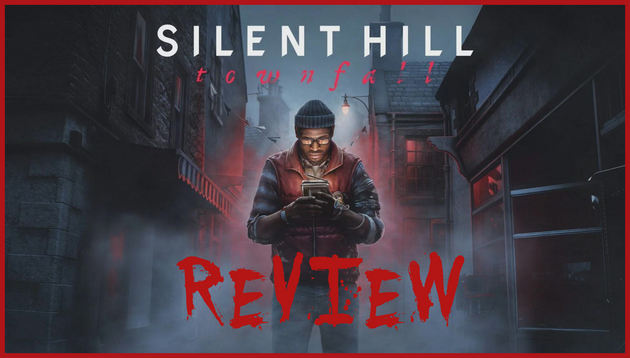
Well, the long-awaited "Scottish Silent Hill" has finally arrived. Its development took such a long time that fans had to wait four years from the moment the project was first announced.
We already covered the essential details about the game in our previous article. You can read about the plot, the characters, the core gameplay mechanics, and the development team there:
Today, we’re taking a look at the finished game. We’ll discuss the pros and cons of Townfall to see whether the developers managed to create a worthy Silent Hill title, or at least a decent horror game? Or did they end up with a half-baked mess after four years of development?
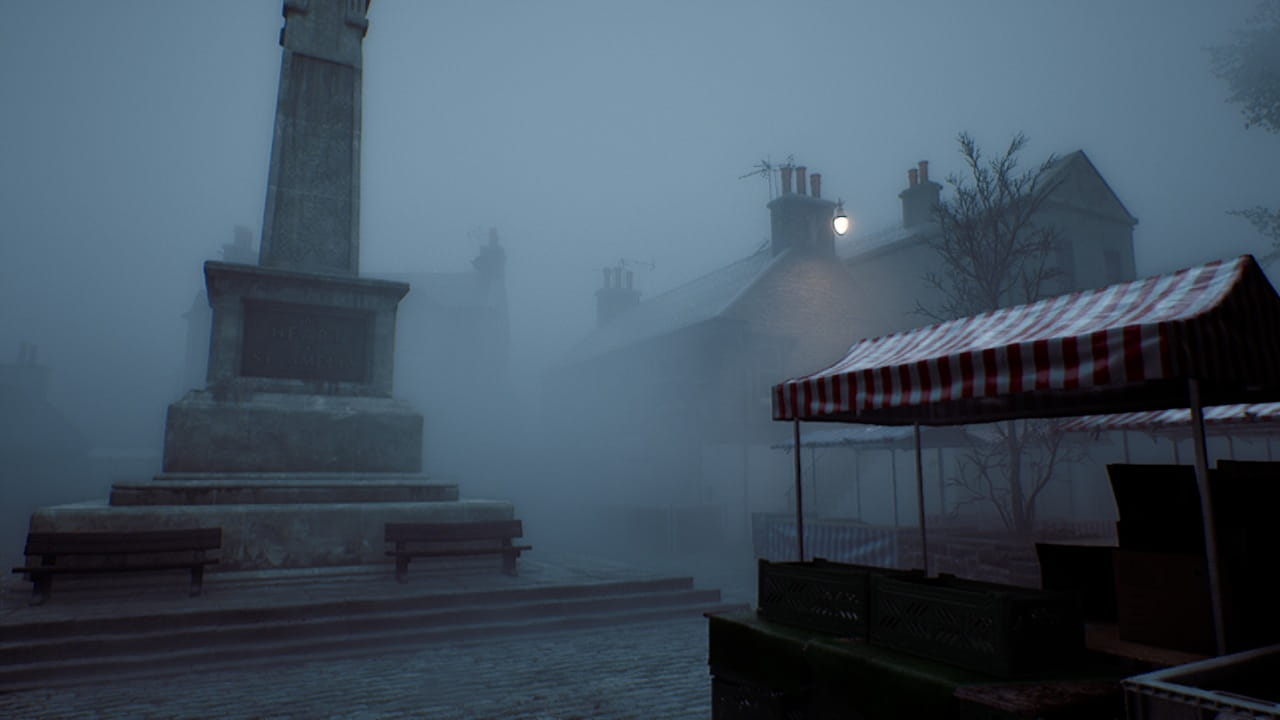
A New Foggy Town
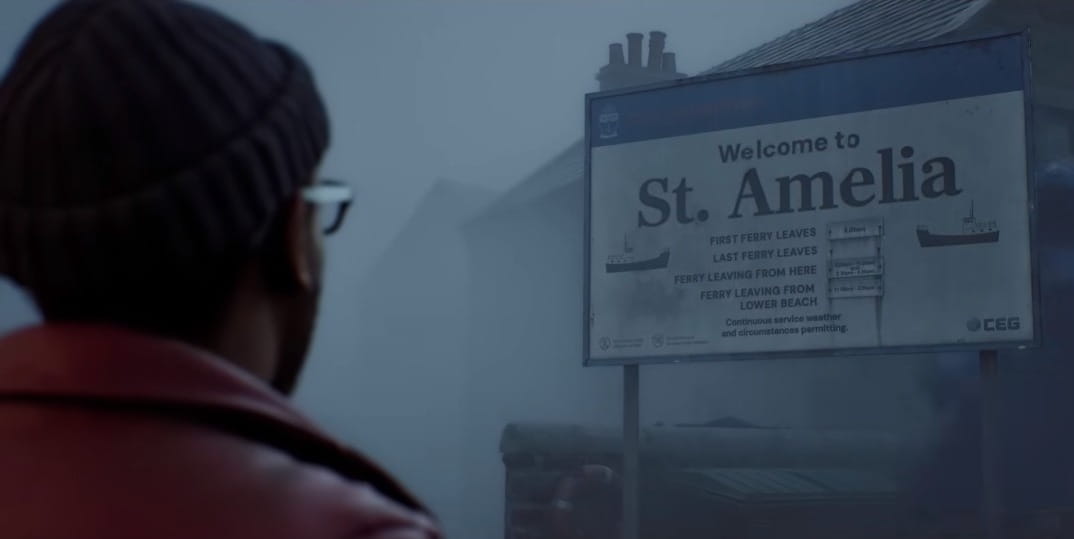
The events of Townfall don’t take place in the familiar town of Silent Hill, nor even in America. Instead, they unfold in a Scottish town called Saint Amelia.
Many fans were immediately put off by this choice. But personally, I don’t see it as a major issue. A new town with a fresh story is far better than the endless attempts to tack on extra districts to the original town of Silent Hill (as the developers of Homecoming and Origins did).
Furthermore, using a new setting removes the temptation for scenario writers to meddle with the stories of previous games or rewrite the established canon. You wouldn’t want any surprising revelations like "oh, it turns out Alessa had a Black brother called Simon"? Personally, I don't want such plot twists at all.
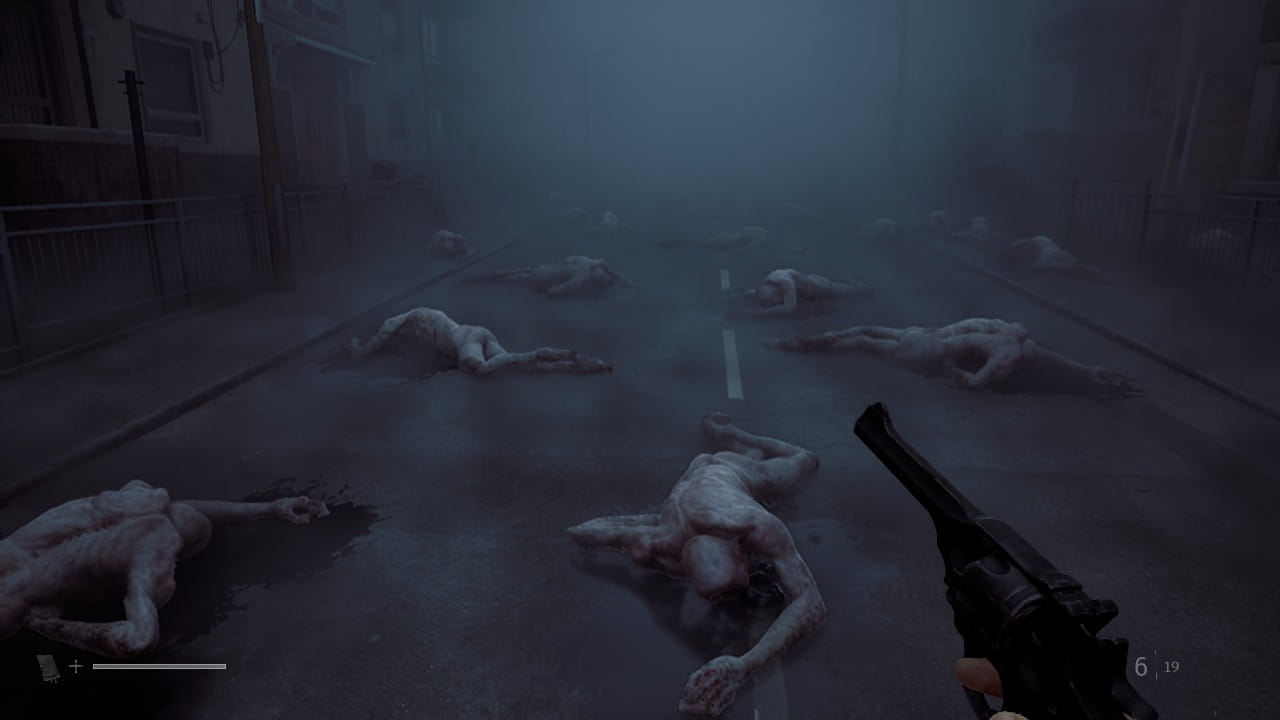
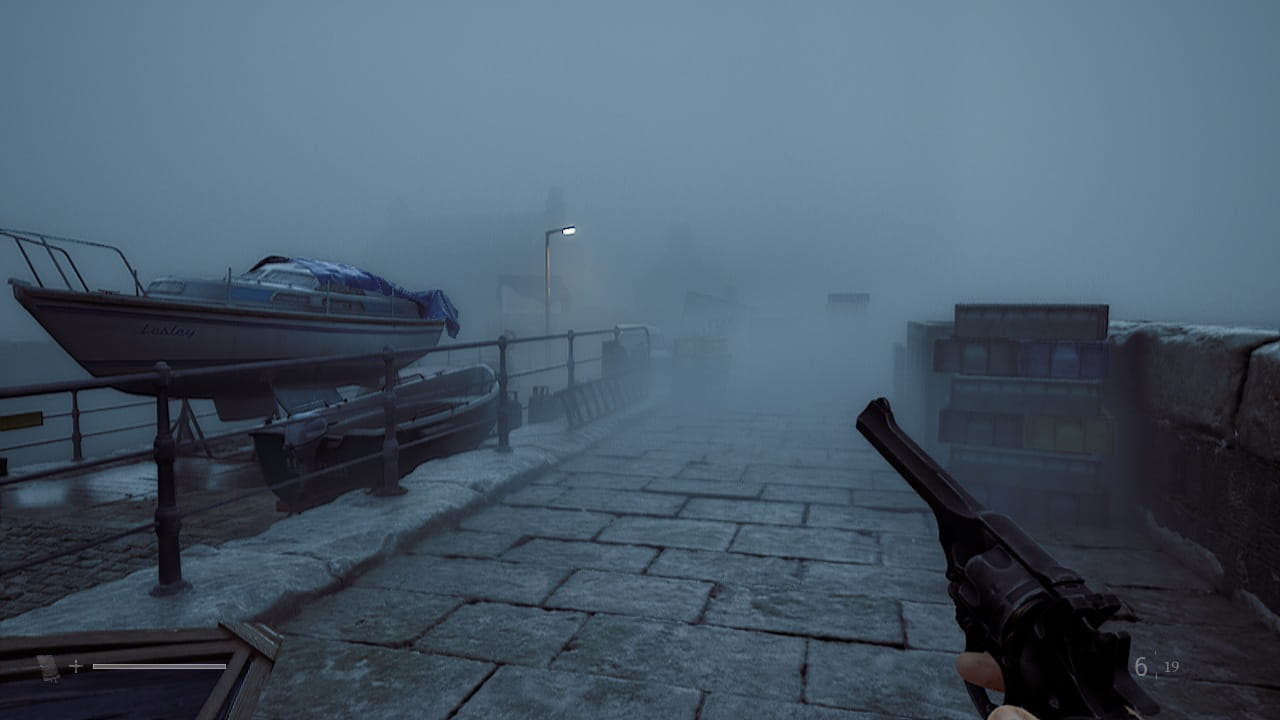
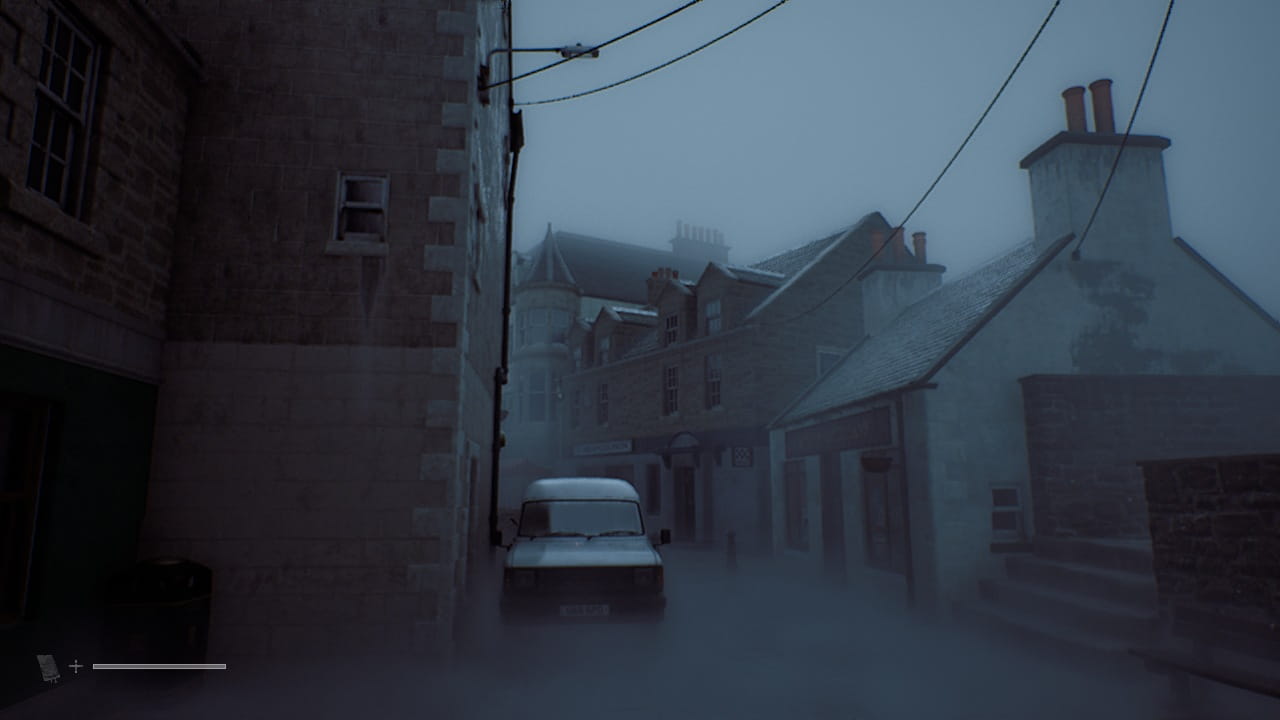
So, the idea with the new town works better for the game. And I actually liked Saint Amelia - it’s visually striking and does a good job of capturing the atmosphere of an abandoned ghost town.
The town is quite small, so you shouldn't expect an open-world experience on the scale of Silent Hill Downpour or Deadly Premonition. Nevertheless, exploring Saint Amelia remains an engaging endeavor.
As you wander through the town, you can enter certain houses and small shops to see what lies inside. While the number of accessible buildings in Townfall isn't massive, it is still more than what was featured in early SH games or the more recent Silent Hill F.
It is a pity, however, that exploring the town itself doesn't take up much of the total playtime. Only about 30% of the game is spent navigating the town. And the rest unfolds within vast, corridor-heavy structures—such as a hospital, an office building, or a factory (and this is not as interesting as exploring the town).
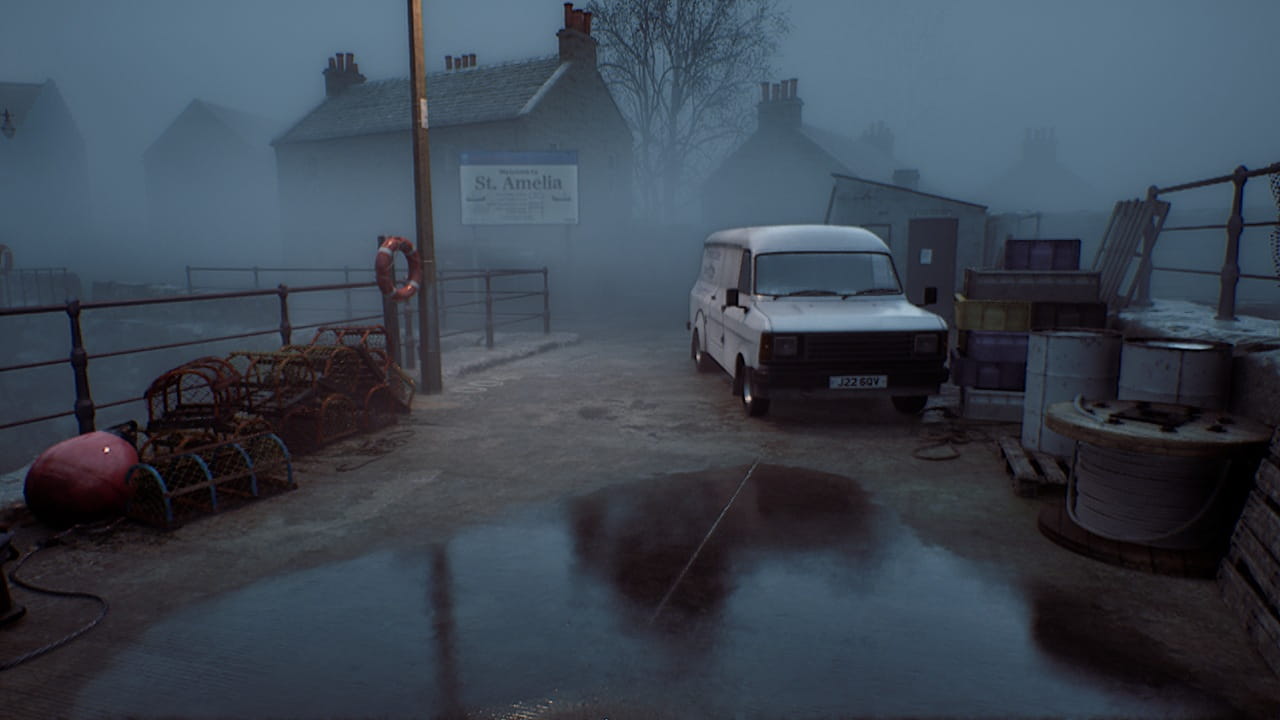
Furthermore, the visual execution of the town leaves a somewhat mixed impression. Saint Amelia is divided into two districts, and there is a noticeable disparity in the quality of their design.
The coastal district called "Shorefront" is crafted beautifully and realistically. It is a pleasure to walk around it, looking at the surroundings and soaking up the atmosphere. The maritime, fishing-town aesthetic even evokes subtle echoes of the famous Lovecraftian town of Innsmouth.
The second district, "Clara Woods", fares significantly worse. It's not bad, and it's still fun to explore — but it feels as though the developers put less effort into this district, perhaps rushing its creation.
Ultimately, the idea with the town in Silent Hill Townfall is executed at about a "four-out-of-five-stars" level. It’s good, but it could have been better.
Stealth or Shooter?
Before the release, many wondered: would Townfall lean more toward a stealth game or toward an FPS shooter?
As it turns out, the game can be either—depending on the difficulty setting you choose:
1) On the lowest difficulty setting (labeled "Story"), the game plays like a shooter. You can just gun down every monster you encounter or easily beat them to death with a wooden stick. The poor creatures die in one or two shots and can’t even fight back. However, given the extremely limited variety of weapons and enemy types, this kind of shooter experience is genuinely abysmal.
2) On "Normal" difficulty, the game functions more like a first-person stealth-action game. While you can still eliminate almost all enemies without much trouble, you have to do it in a stealthy way—sneaking up behind them and striking them with a stick. In this mode, Townfall plays better, though the gameplay remains quite primitive and repetitive.
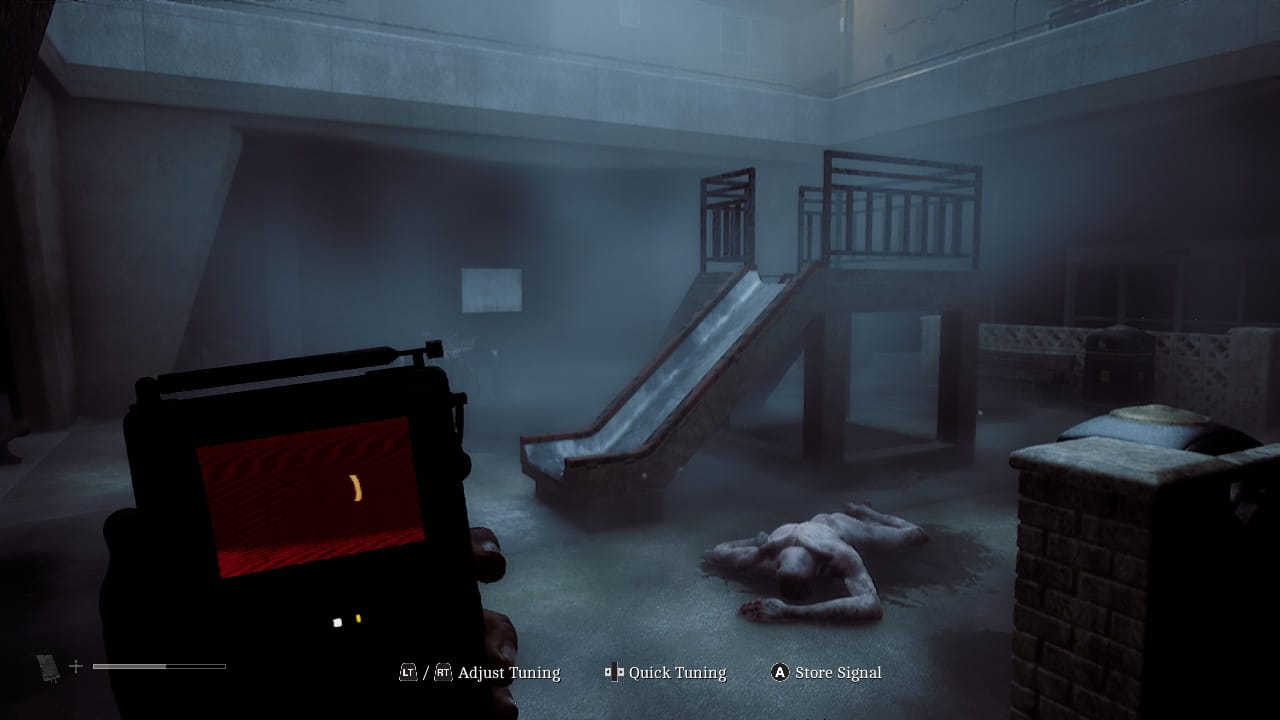
3) On the high difficulty called "Nightmare", the gameplay undergoes a dramatic transformation, becoming genuinely compelling. The game shifts into a hardcore stealth experience, reminiscent of Forbidden Siren.
At this difficulty level, taking down enemies is quite hard. Ammunition runs out quickly, melee weapons break fast, and every blow from a monster deals significant damage. Even attempting to attack enemies from behind will most likely end badly for you. So you need to hide from the monsters, study their behavioral patterns, and carefully think about every move you make.
That is why I recommend playing the game on the "Nightmare" difficulty setting. It is the only mode where Townfall plays as a real stealth horror and doesn't devolve into a primitive shooter or a "beat-up-everyone-with-a-stick" kind of game.
Gameplay
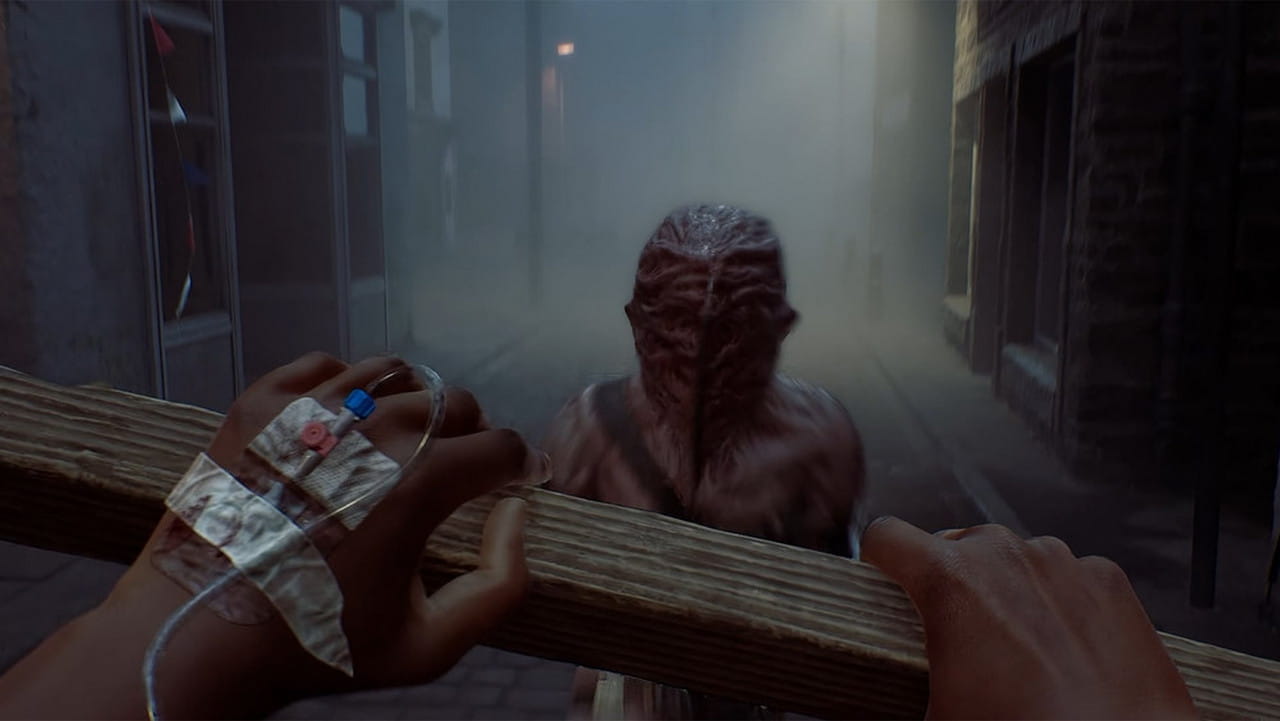
In the stealth mode, Townfall plays quite well. The gameplay isn't perfect, but overall, I enjoyed it.
On the higher difficulty setting, every in-game situation is thoughtfully designed and balanced. While these situations may initially seem daunting and dangerous, there is always a clever way to slip past monsters completely unnoticed—without firing a single shot.
The game doesn't feature an overwhelming number of stealth mechanics, but it still offers more than SH Shattered Memories or The Last of Us. You can distract enemies by throwing stones or bottles, peek around corners, lock doors, and hide from monsters in the special hiding spots (like in Clock Tower).
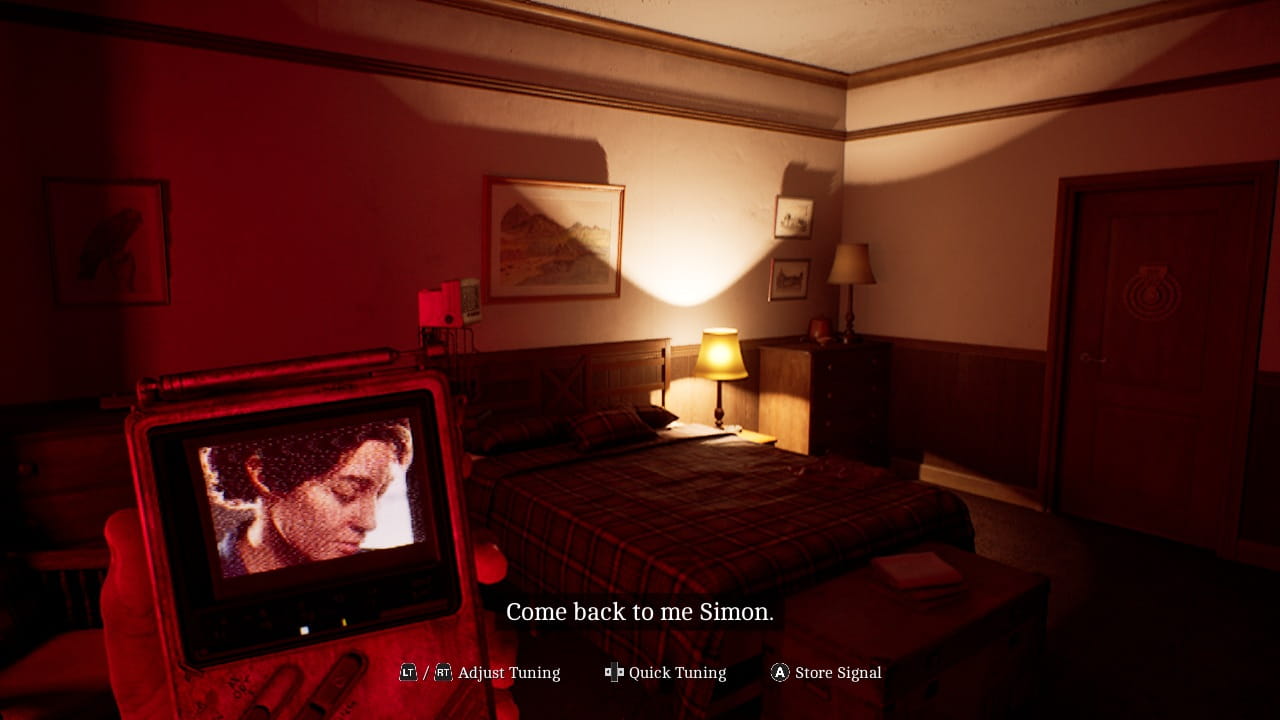
Another welcome feature is the portable radio-television device. It integrates quite well into the stealth-focused gameplay and is reminiscent of the "Sight-Jack" mechanic from Forbidden Siren. By tuning into the right frequency, you can monitor each monster via the TV screen, observing their behaviors and patrol routes.
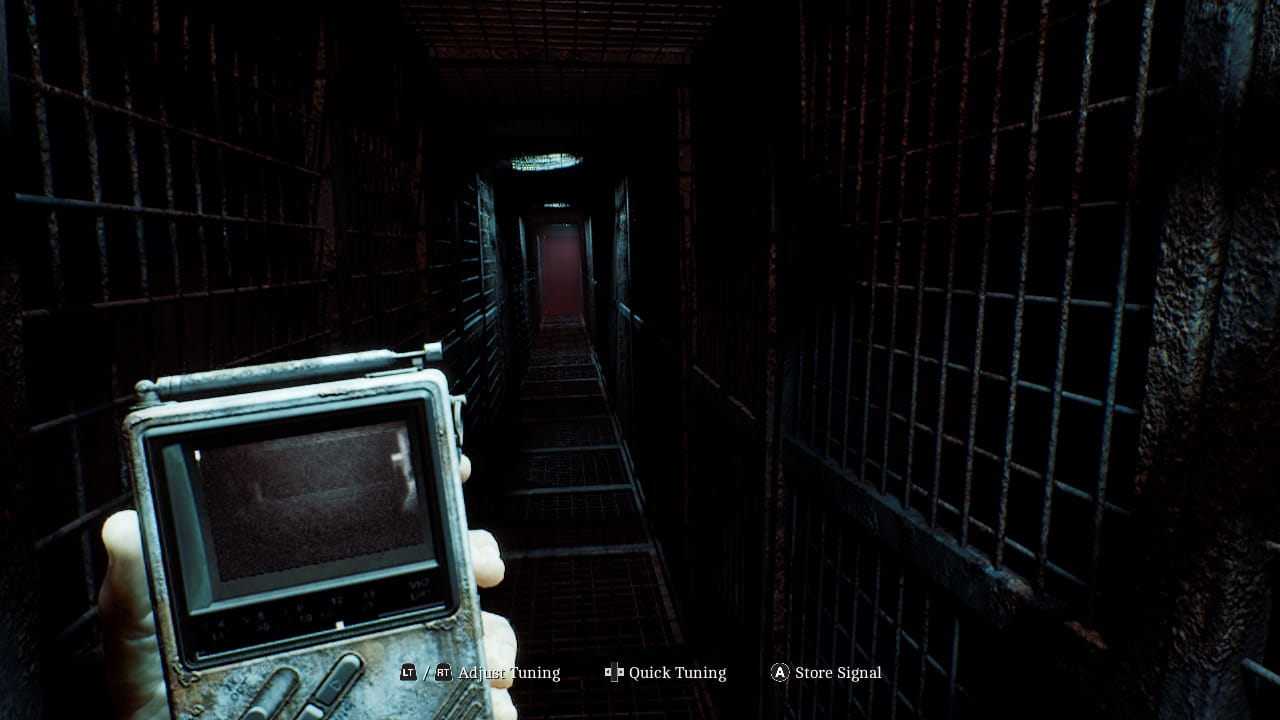
The concept of having three playable characters—each with their own dedicated episodes—also bears a resemblance to Siren and adds a welcome layer of variety to the gameplay.
Each character possesses unique traits, and the playstyle can shift depending on who you are controlling. Some characters' segments lean more toward stealth, while others focus more on action.
Overall, the developers clearly tried to create a varied gameplay experience. Sometimes, you’ll find yourself playing hide-and-seek with monsters. Sometimes, you might wander the city streets in solitude, with hardly an enemy in sight. And then there are moments where you can rack your brain over an engaging puzzle (there are quite a lot of puzzles in the game).
However, the gameplay is plagued by a bunch of serious flaws that significantly detract from the experience:
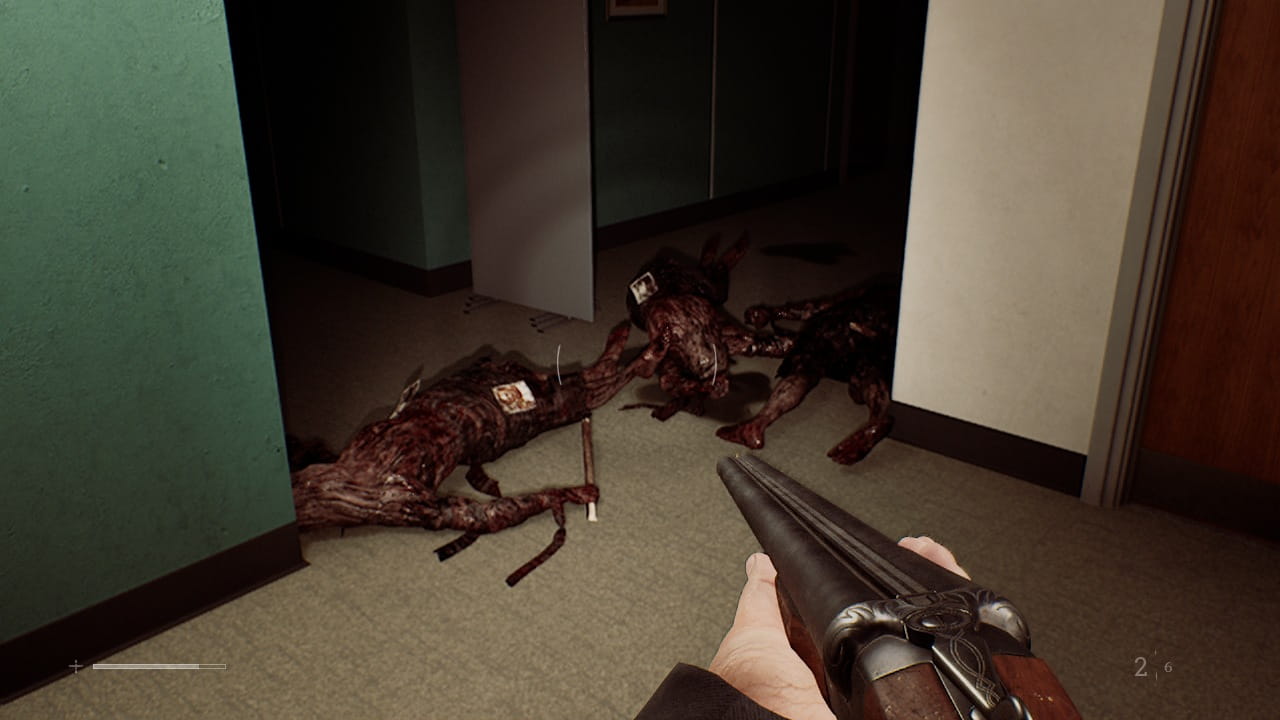
1) Townfall features very few types of monsters—just four standard enemy types and a single boss. Given that the game is quite long, you’ll quickly grow tired of encountering the same foes over and over again.
2) To make matters worse, the developers barely utilize half of their meager bestiary. Most of the time, you’ll be only encountering TWO TYPES of enemies. This is a recurring issue that we saw in SH2 Remake and Silent Hill F - and Townfall falls into the exact same trap.
3) The selection of weapons is also extremely limited, consisting of only five types. For the most part, you’ll be relying on just a three of them: a wooden stick, a revolver, and—surprisingly—a BEER BOTTLE.
4) The enemies are consistently dim-witted, with AI that leaves much to be desired. Their absurd behavior significantly undermines the game’s atmosphere.
5) The door-opening/closing mechanic is frequently glitchy. As a result, you might end up getting killed simply because the game glitched and wouldn't let you interact with the door.
6) Certain segments feel too lengthy and artificially drawn out. It seems the developers tried to pad the game’s length—so they could say, "This isn't just some short indie title! It’s a full-length AAA game—which is why you have to pay 50 euros for it!"
7) The characters too rarely offer comments on objects when examining rooms (and these comments themselves are usually very brief and lacking in substance). Exploring locations could have been more engaging if the characters were more talkative - like in the early SH games.
Puzzles
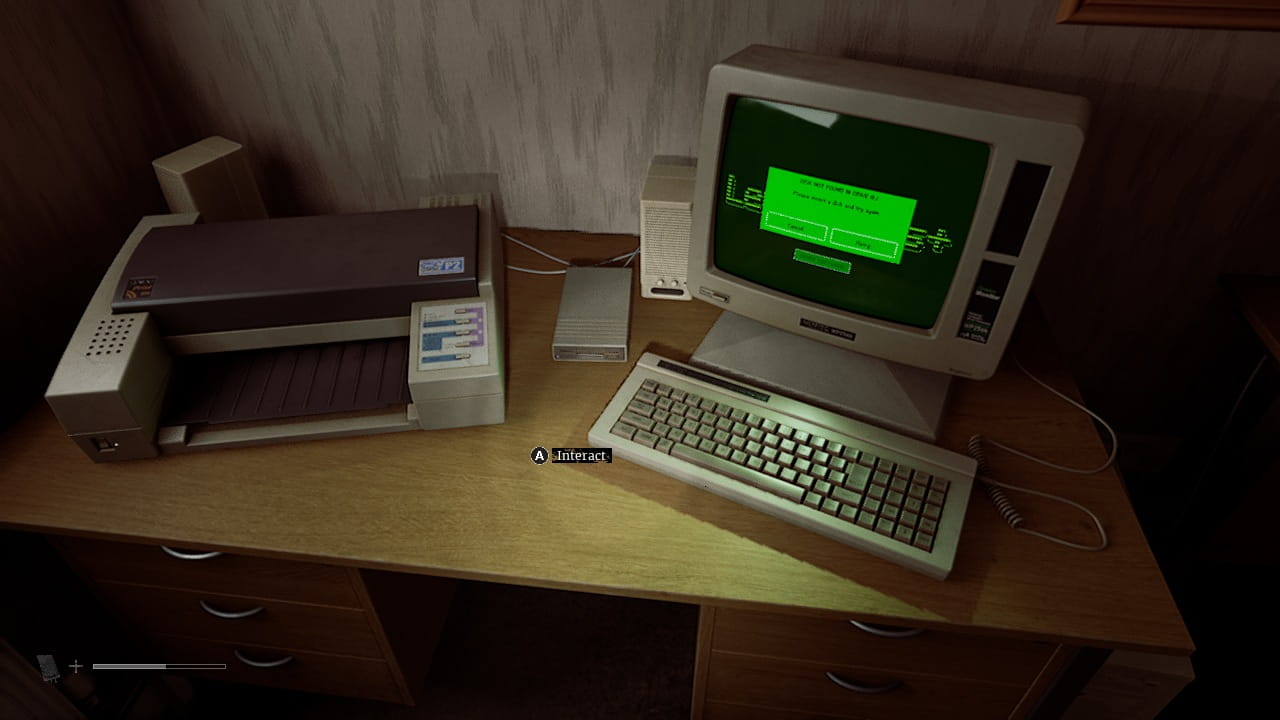
Silent Hill: Townfall places a great deal of emphasis on puzzles, which account for a significant portion of the game’s total runtime.
The puzzles here are largely devoid of the symbolism typically associated with early SH games. However, when evaluated as standard adventure-game puzzles, most of them are well-crafted.
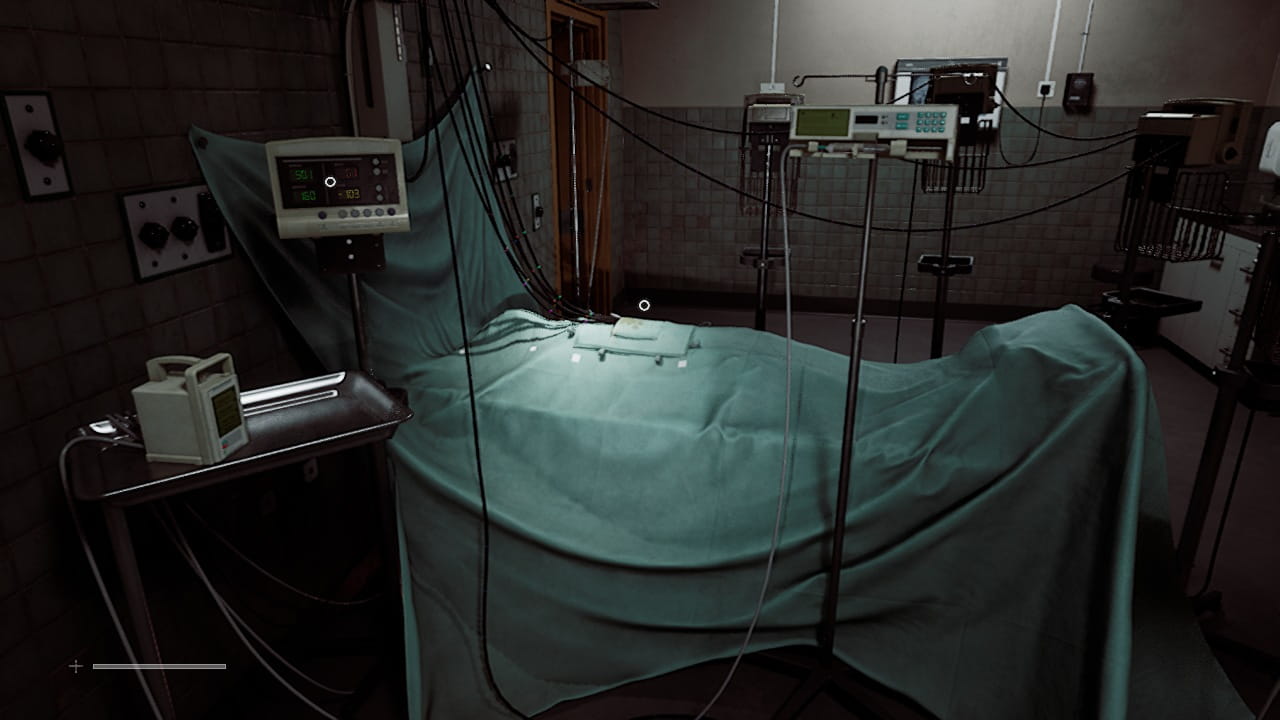
For instance, I enjoyed the puzzles involving the "patient", the posters in the pharmacy, the blood transfusion, and the audio cassettes. They are creatively designed and feature a very well-balanced level of difficulty.
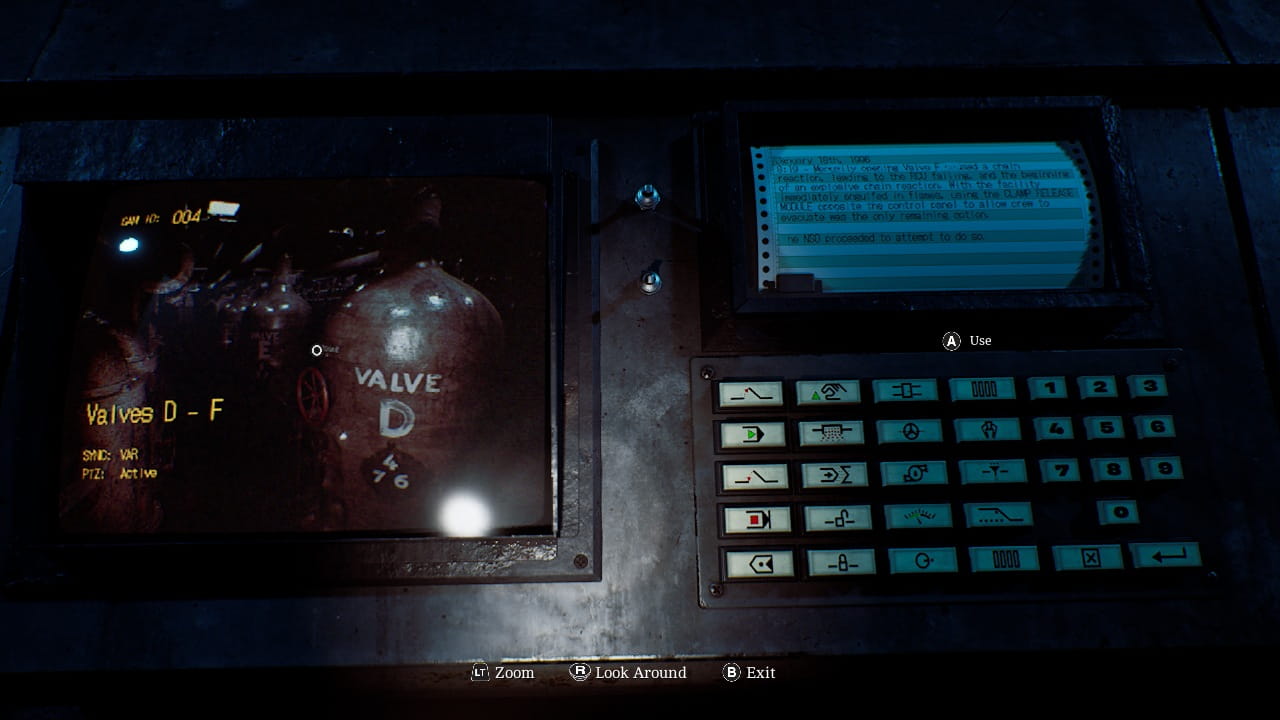
Unfortunately, in the final episode (set in a huge factory), the puzzles suddenly devolve into tedious rubbish.
You are forced to spend a long, tiresome amount of time fiddling with various factory control panels, trying to figure out the correct button combinations through trial and error. And then the game forces you to waste time flipping dozens of levers on steam pipes. These puzzles are incredibly boring and irritating. And they completely ruin the game’s finale.
Furthermore, these factory-themed puzzles feel entirely out of place in a Silent Hill game. It’s as if you’re playing some cringey "edutainment" game about working at a factory—which is definitely not what I want to see in SH.
Ultimately, the puzzles in Townfall are a mixed bag. While the first half of the game features some nice puzzles, the latter part manages to be infuriatingly poorly conceived.
About the Characters
One of Townfall’s weak points is its characters. There are very few characters here (only three and a half in the entire game), and most of them are frankly uninteresting.
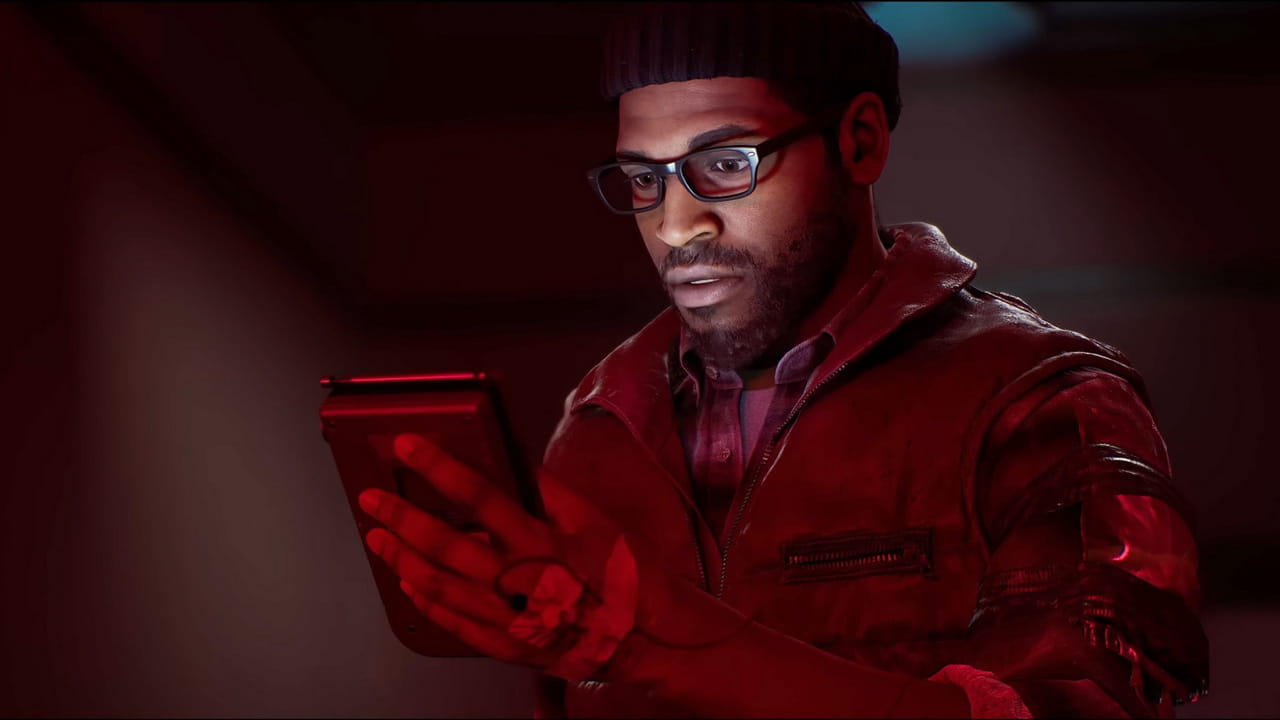
1) Simon is an absolutely lackluster protagonist by Silent Hill standards. He barely speaks or offers any commentary; he lacks a distinct personality and has almost no backstory. Furthermore, he is not the type of character that players could easily relate to.
Worse still, Simon lacks any coherent motivation. For the majority of the game, he wanders the town searching for a nurse named Zoe—simply because a random bald guy called him on the phone and told him to look for her. It's ridiculous that the character has no personal goals or desires of his own.
The developers might as well have made the main character a walking mindless robot, and no one would have noticed the difference.
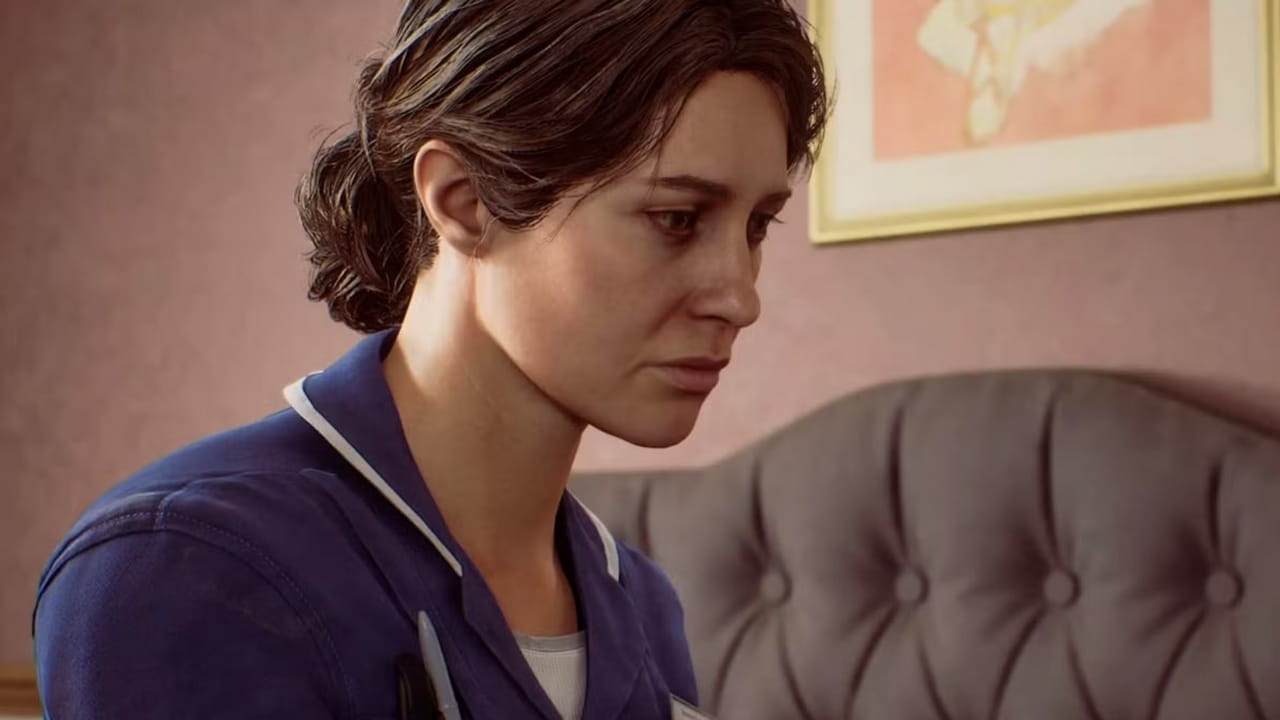
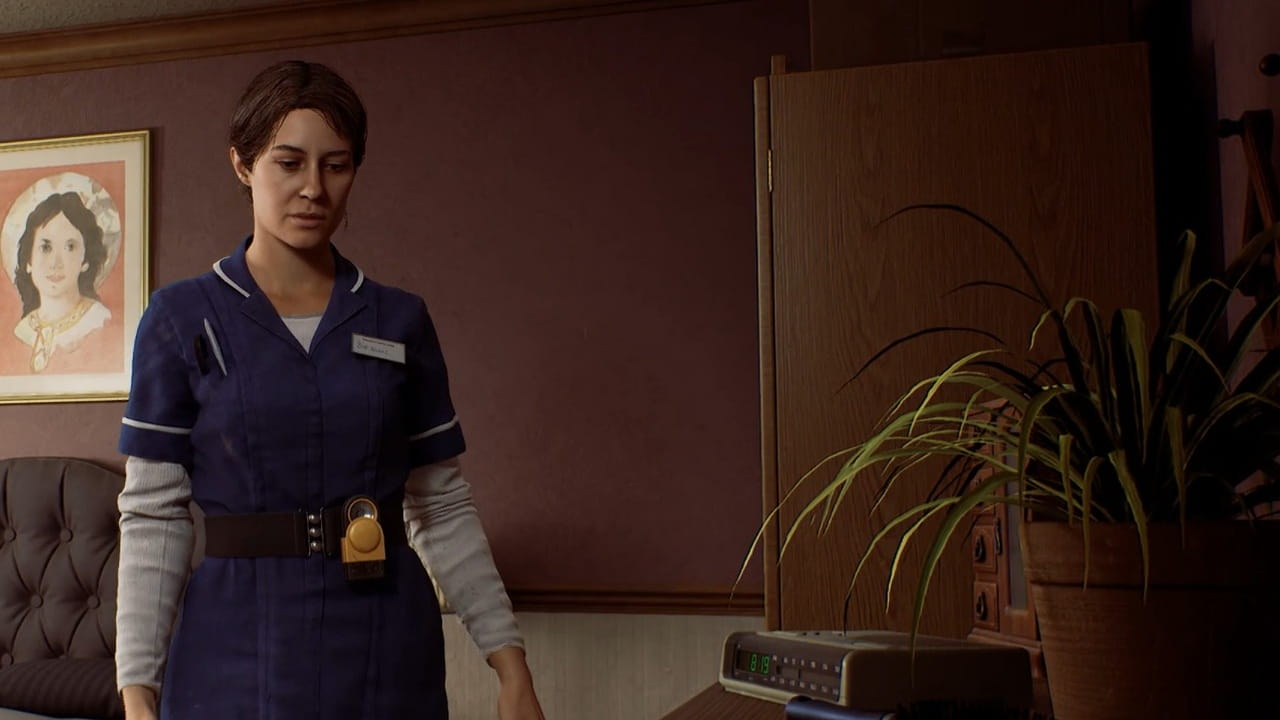
2) Zoe is essentially a blend of Mary from SH2 and Lisa from SH1. In Simon's episodes, we have to search the town for her like we searched for Mary (and her visual design looks similar too). But in her own episodes, Zoe echoes the story of the nurse Lisa Garland.
Combining these two strong archetypes actually works in her favor—the heroine is genuinely likable and easy to empathize with.
However, in terms of originality, Zoe falls a bit short. She is more of a remix of the old characters rather than a truly original creation.
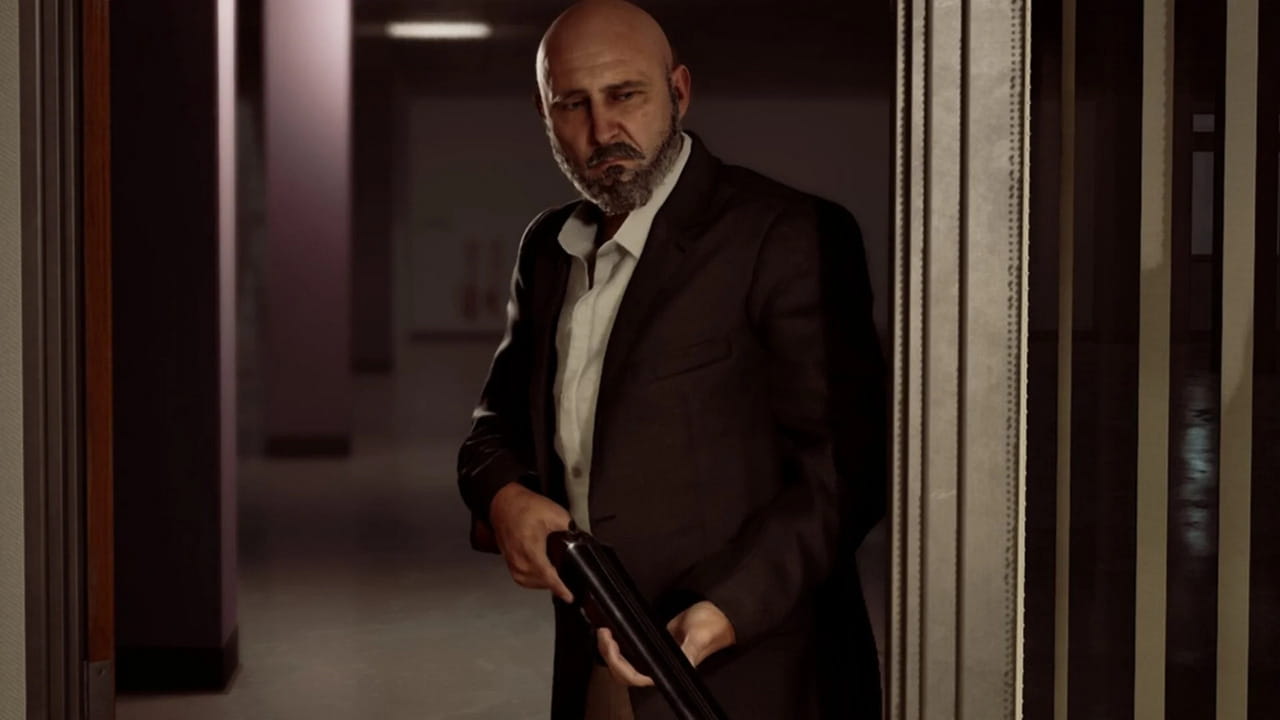
3) Richard has more originality — he’s an unconventional character for the SH series. But his episode is executed so poorly and absurdly that it severely undermines the character. Moreover, his personality is such that he is unlikely to elicit any sympathy from the player.
4) And finally, there’s one last "semi-character" called Dr. Glenn. His personality is modeled after Michael Kaufmann from SH1—a cunning doctor with an inflated ego who loves to do some shady business. However, he plays very little role in the story. You can only have a brief conversation with him during a short segment set in the hospital.
And that’s it, really. There isn’t a single other character in the game.
In my view, Townfall features the laziest, most poorly developed cast of characters in the entire Silent Hill series. Even Downpour and Homecoming managed to put together more interesting sets of characters.
Simon’s Episodes
Now, I’ll briefly share my impressions of each character's episodes. Let’s start with Simon—he has the most episodes, accounting for roughly 65% of the total playtime.
A few of the early episodes featuring Simon are quite well-crafted, and I actually enjoyed them—not so much for the story, but for the gameplay, atmosphere, and level design.
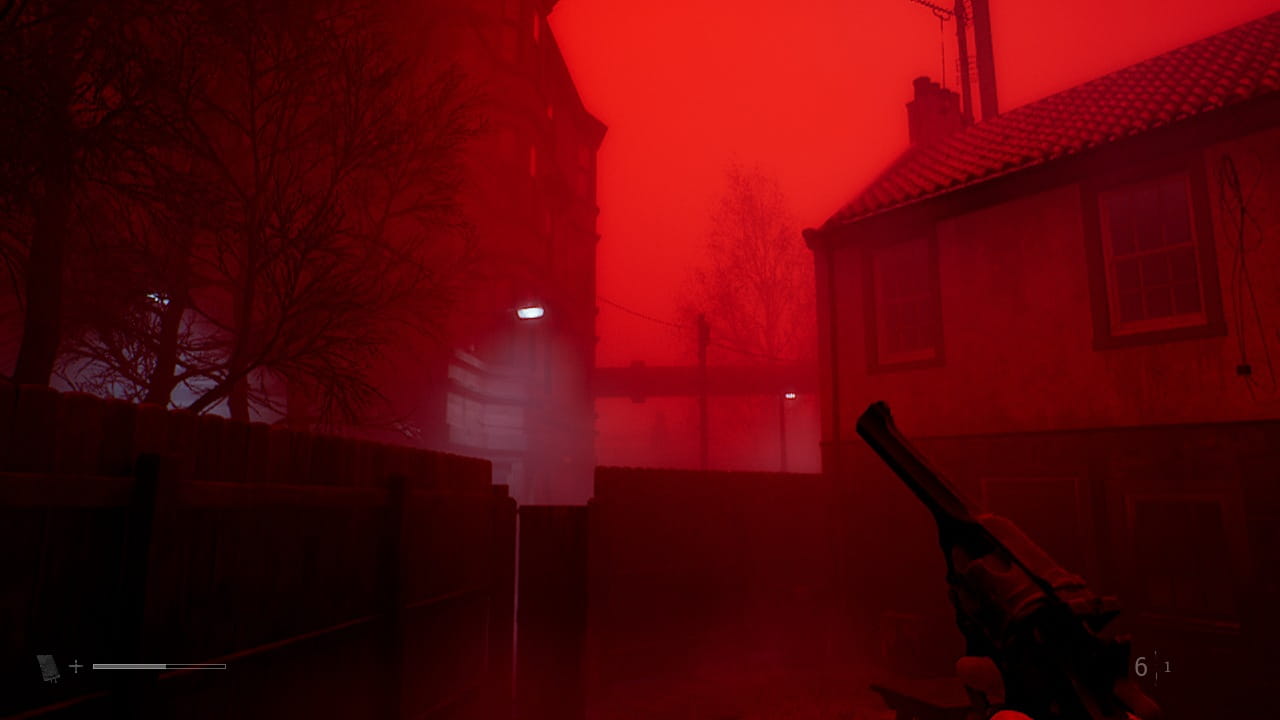
In the episodes "Cold Open" and "Searching for Zoe", you get to explore a mysterious abandoned town, which is a pleasant experience. Then, in "Journey to Medical", you can fully enjoy the stealth mechanics, playing hide-and-seek with the monsters and navigating through an "alternate world" beneath a strange, red sky.
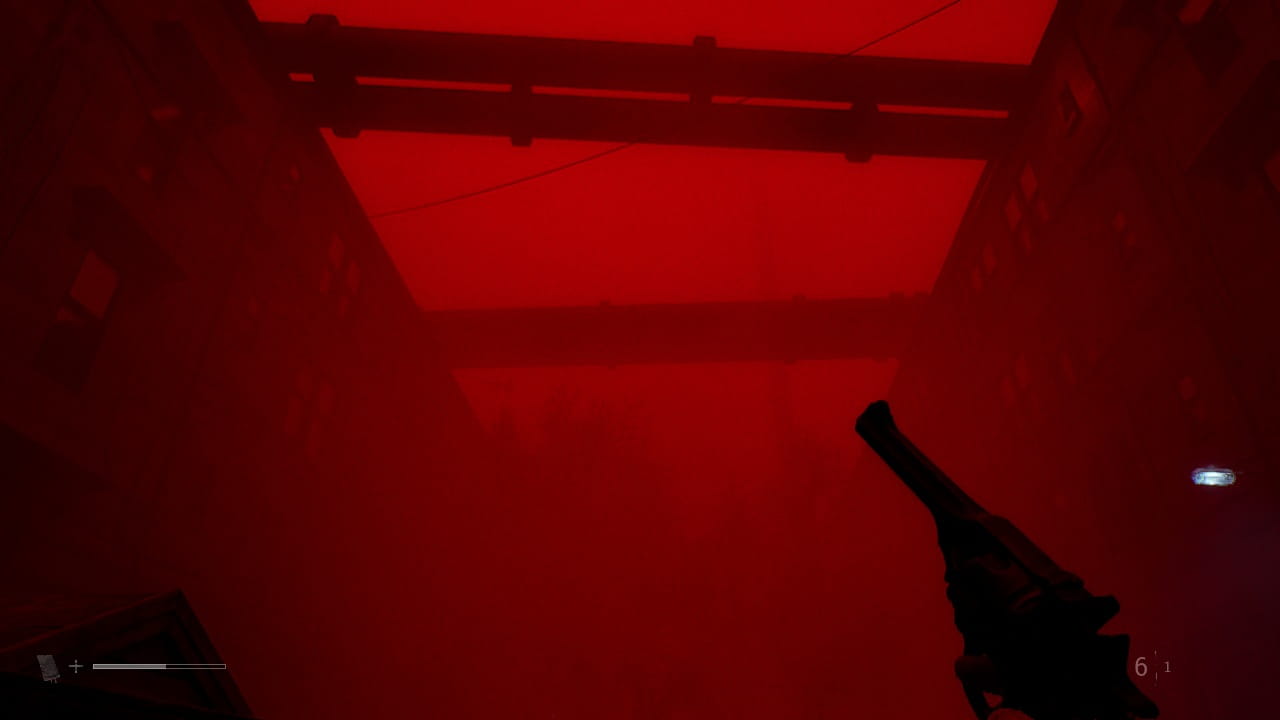
However, with each subsequent episode, the game begins to decline.
In "Many Into One", the quality of level design drops significantly—there’s hardly anything worth looking at. And the episode itself feels drawn-out, though it does contain a couple of unsettling moments.
Next comes "Missing Parts", which involves wandering through a second district of the town. This area is noticeably less polished than the earlier parts, and the episode as a whole feels a bit tedious and hollow.
Finally, in the last episode set at a factory ("Trying Again"), the game descends into pure shoddy work. The factory is completely uninteresting, the visual design is very primitive, and to make matters worse, it’s packed with mind-numbingly dull and time-consuming puzzles.
Fortunately, the game’s conclusion is saved from total failure by a decent final boss battle and a series of well-directed cutscenes near the end.
Zoe’s Episodes
Zoe Ellis has two episodes, which together make up about 20% of the game. She doesn’t use firearms and is barely capable of fighting—so her segments lean more toward "unarmed stealth".
In my view, the episodes featuring Zoe are the best parts of the game. They are quite compelling in terms of gameplay and direction—and they certainly don’t lack atmosphere.
Fans of Lisa Garland from Silent Hill 1 will likely appreciate these segments, as they essentially reimagine the story of a nurse. There’s even an interactive sequence where you care for a "strange patient", giving you a sense of what it must have been like for Lisa to look after Alessa.
Furthermore, these episodes deserve credit for their creative exploration of the "horrors of working as a nurse". They force the player to reflect on just how hard and demanding this profession is—and the toll it can take on a person’s mental state.
Richard’s Episode
Richard has only one episode, but it is quite long, accounting for about 15% of the game (nearly as much as both of Zoe’s episodes combined).
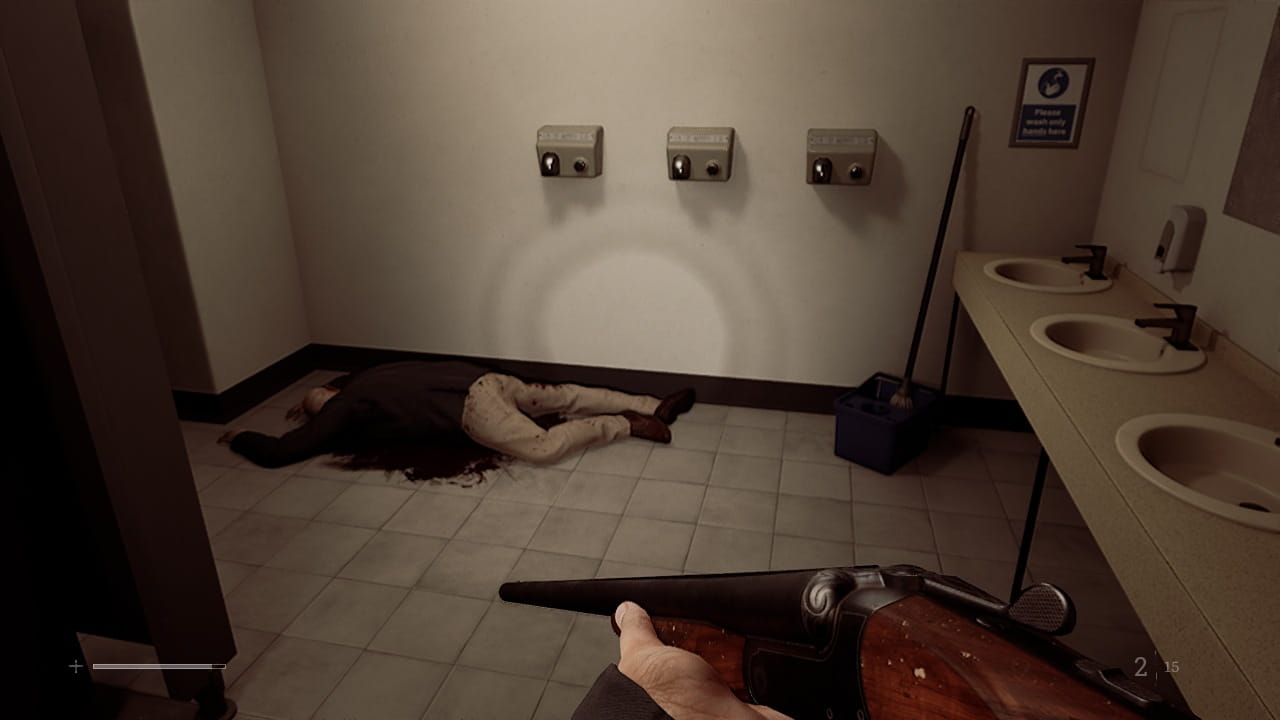
This segment is the worst and most cringeworthy part of Townfall. It takes the form of an FPS shooter that feels completely out of place in a game aspiring to carry the "Silent Hill" name.
To make matters worse, the shooter mechanics are clunky, primitive, and tedious. Here, you’ll spend several hours running around a massive office building, shooting at just ONE type of enemy using only TWO types of weapons. I haven’t encountered such primitive FPS shooters since the days of "Escape from Monster Manor" on the Panasonic 3DO (and even that game had more enemy variety).
To make matters worse, the setting itself is uninteresting—just a huge labyrinth filled with dozens of identical offices and restrooms. Yet, you’re forced to waste time meticulously searching every single room so you don’t miss a crucial key, ammo, or some story-related file.
All in all, this episode is an absolute disaster. The developers tried to cater to fans of corridor-style FPS games, but it’s highly unlikely that any shooter enthusiast would be impressed by such a tedious piece of trash. And Silent Hill fans would be absolutely furious.
Scenario Impressions
Now, let’s talk about the strengths and weaknesses of the plot. We'll start with the positive stuff:
1) In certain episodes, the writer attempts to recreate the story of Lisa the nurse from Silent Hill 1 — and does it quite well. I enjoyed this reimagining of Lisa’s story.
2) Even after finishing the game, some mysteries and loose ends remain, allowing players to reflect and draw their own conclusions.
3) Beyond the classic text-based notes, the story is conveyed through "mysterious video signals". It’s an interesting concept, somewhat reminiscent of the "cursed film reels" from Fatal Frame 2. Figuring out what these short videos mean and how they fit into the broader narrative often requires a bit of mental effort.
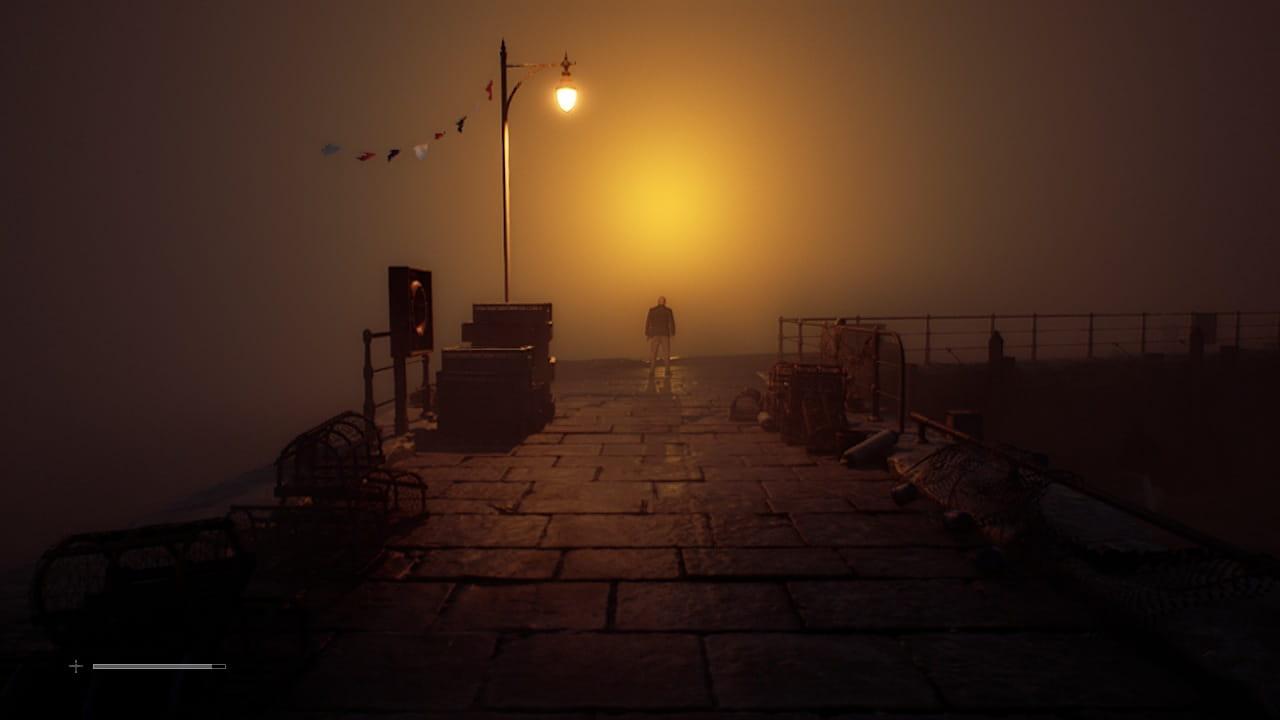
4) Surprisingly, the direction of the cutscenes in Townfall is quite solid—certainly better than in the Polish-developed Silent Hill 2 Remake. As a result, the cutscenes are pleasant to watch and generally don’t veer into "cringe" territory.
5) The dialogue in these cutscenes is also well-written, featuring many double meanings that only become clear upon a second playthrough.
6) The story as a whole carries a depressive tone—largely due to the nurse’s arc. For many, this might be a drawback rather than a good thing. But personally, I enjoy stories with a dark, somber slant.
That concludes the few positive points of the narrative. From here on, it’s all downsides:
1) The story’s central mystery fizzles out far too early. By the end of the first chapter, it’s already more or less clear what happened on the island and why. As it progresses, the game dwells on the details that are no longer particularly interesting.
2) In many respects, the writer attempts to emulate the plot of Silent Hill 2 (especially early on)—but these efforts come across as clumsy and only elicit a facepalm. Furthermore, Simon appears comical as a "Black James".
3) Toward the middle of the game, the developers also begin to mimic the concept of the "Umbrella" corporation from Resident Evil. This theme of irresponsible evil corporations feels out of place in a Silent Hill game.
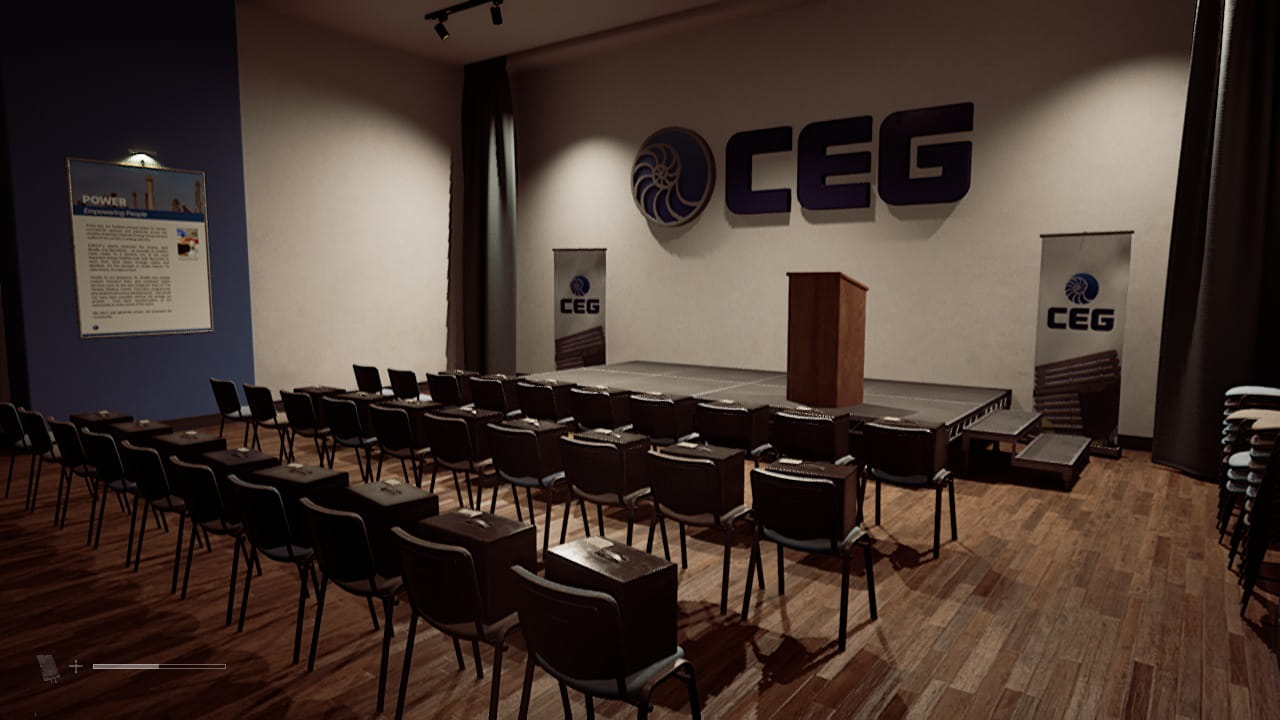
4) All of this is heavily laden with an overly intrusive socio-political agenda. In most cases, this detracts from the narrative and proves irritating.
5) Despite the lackluster attempts to emulate SH2, Townfall’s story is almost entirely devoid of the series' signature psychological depth. The plot focuses primarily on social issues.
6) Most of the notes and diaries containing story-related information are frankly uninteresting. It feels as though 90% of them were included merely as a formality - just so there would be at least some notes that players could read.
7) The lore in Townfall is poorly developed. Almost all previous Silent Hill titles featured their own unique religion and mythology, but none of that exists here. There are only a few dull documents telling us the history of the island and the background of the local "Umbrella" equivalent.
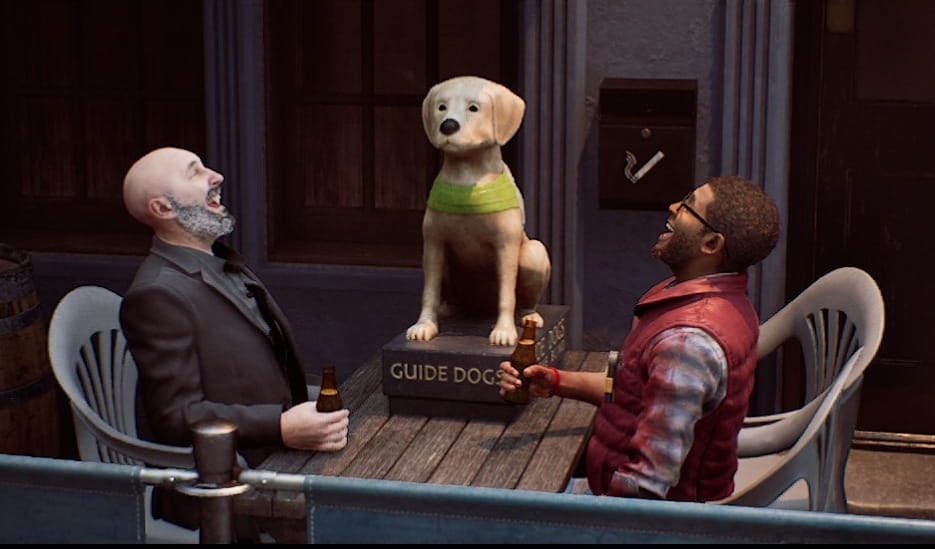
8) The game features a weak cast of characters and a lackluster protagonist. We have already discussed this in detail in the section dedicated to the characters.
9) The logic behind the characters' actions is often flawed or entirely absent. The writer was too lazy to come up with coherent motivations for the characters' actions - and that makes the plot feel nonsensical sometimes.
10) In terms of narrative, the game is extremely linear. There isn’t a single moral choice or branching path to be found. Even the three main endings are virtually identical.
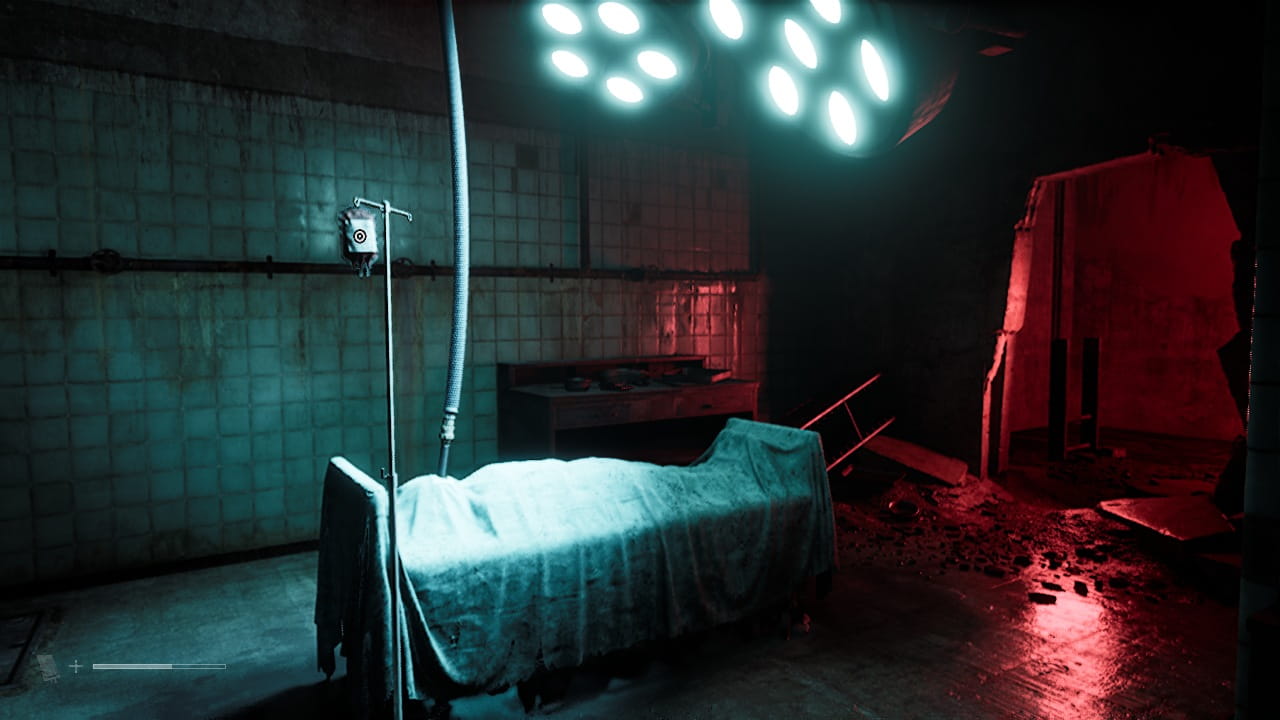
All in all, the scenario is quite weak. It’s clear that the developers aren’t very familiar with the Silent Hill series and don’t truly grasp what makes the series unique.
If Townfall was just some random indie horror game, it might have faced less criticism for its writing, and certain elements might not have felt so out of place. But for a full-fledged Silent Hill game with a €50 price tag, such a lazy scenario is unacceptable.
One could argue that the plot is somewhat redeemed by its attempt to emulate the story of Lisa Garland—which might offer a bit of enjoyment for fans of SH1. However, whether the Scottish writer deserves any praise for blatantly plagiarizing parts of someone else’s plot is highly debatable.
So, let’s give credit where it’s actually due: to Keiichiro Toyama, the original creator of Lisa’s story (by the way, he also recently recreated Lisa in his new game, Slitterhead).
Silent Hill and
Social Justice
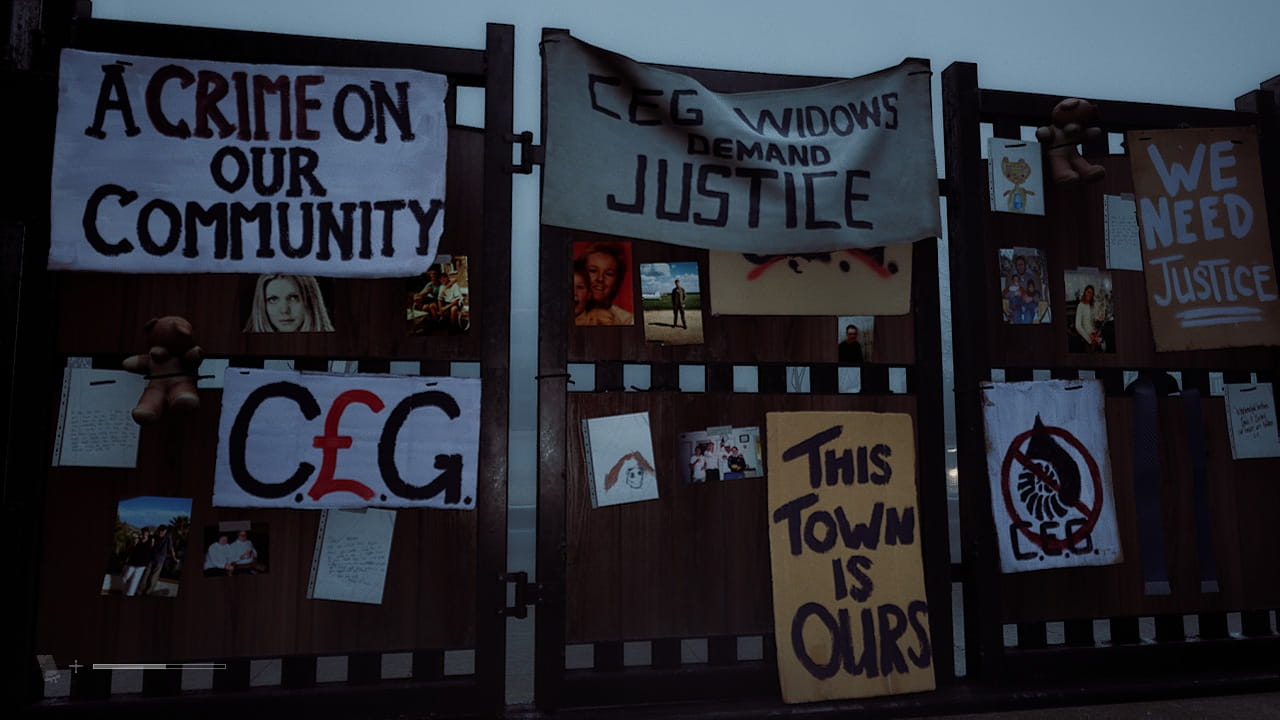
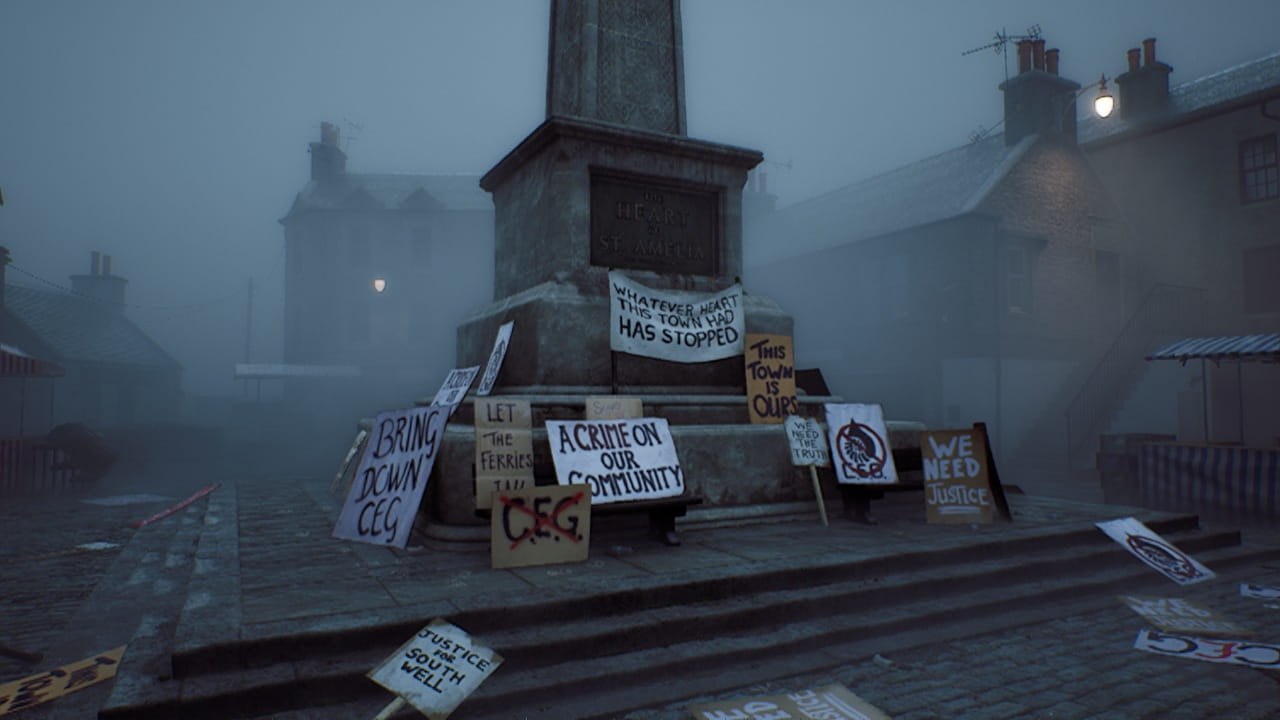
It is worth saying a few words about the theme of "social justice", as it serves as the central focus of the story in SH Townfall. In fact, producer Motoi Okamoto even called the game a "Socially conscious Silent Hill" in an interview.
The plot devotes a great deal of attention to socialist-leaning political themes: the irresponsibility of large corporations, the consequences of capitalist greed, the ways in which companies violate the legal rights of workers, the hardships faced by nurses or factory laborers, the necessity for the proletariat to fight for their rights through protests and labor unions, and so on.
While that’s all well and good, one question arises: who really wants this kind of political agenda in Silent Hill? Definitely not me. It feels cringeworthy and out of place here. As if, instead of playing a horror game, you’re reading a boring left-wing propaganda. Not to mention that the psychological depth of the SH series has been sacrificed for the sake of this uninteresting political stuff.
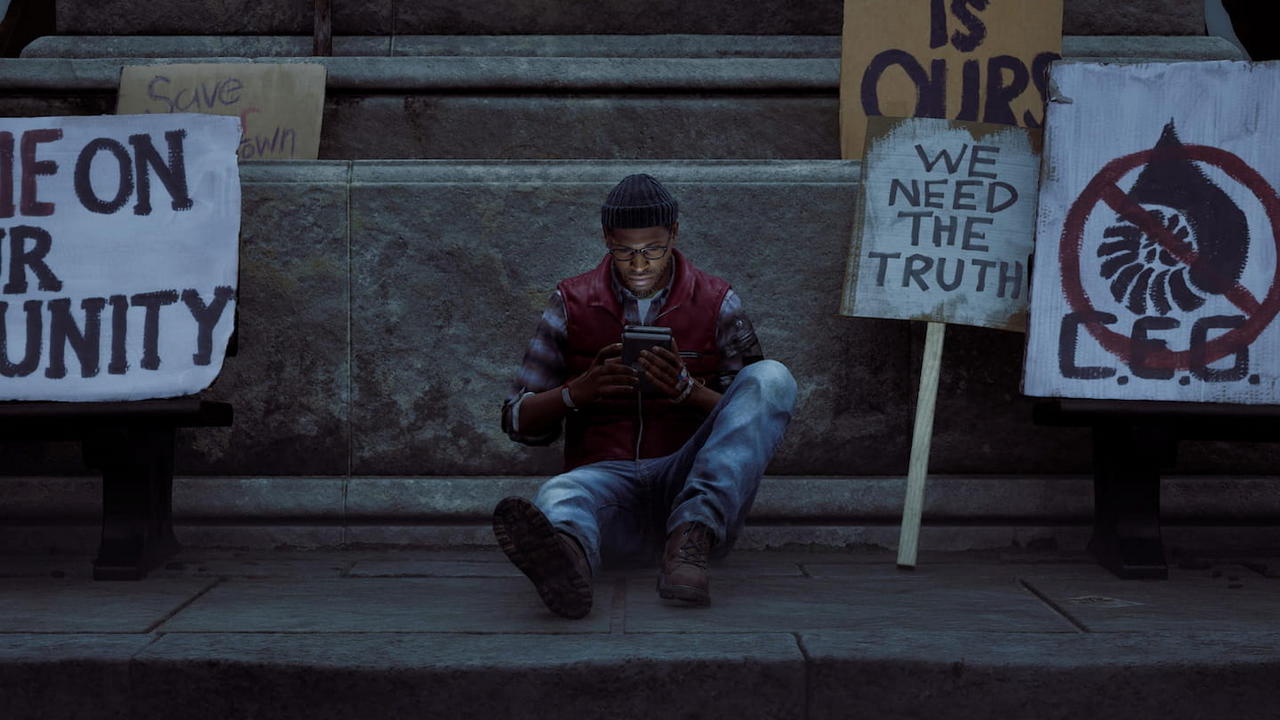
Furthermore, in an effort to showcase their progressiveness, the developers made the main character Black. But because there are few Black people in Scotland (according to official statistics), the scenario writer even had to contrive a forced plot twist to explain how Simon ended up in that country by pure accident. And this makes the game even more awkward.
It is entirely possible, however, that the idea of a Black protagonist did not originate with the developers (ScreenBurn), but rather came from the producers at Konami. After all, the recent Silent Hill 2 Movie also saw the inclusion of an entirely unnecessary new Black heroine - and it was done in the name of "progressiveness" and "diversity".
And, of course, the apotheosis of "social justice" arrives in a scene where a Good Black Proletarian Man brutally punishes an Evil White Capitalist Man. Such a confrontation might feel at home somewhere in a GTA game, but instead it was shoehorned into a new Silent Hill for some reason.
Ultimately, this heavy-handed propaganda only serves to further undermine an already flawed game. Moreover, the theme of "evil, greedy capitalists trampling on workers' rights" rings hollow and hypocritical coming from Konami — a company long notorious for its own greed and unfair treatment of its staff members. That's why the original "Team Silent" members and almost all other talented developers have left the company.
Graphics and Design
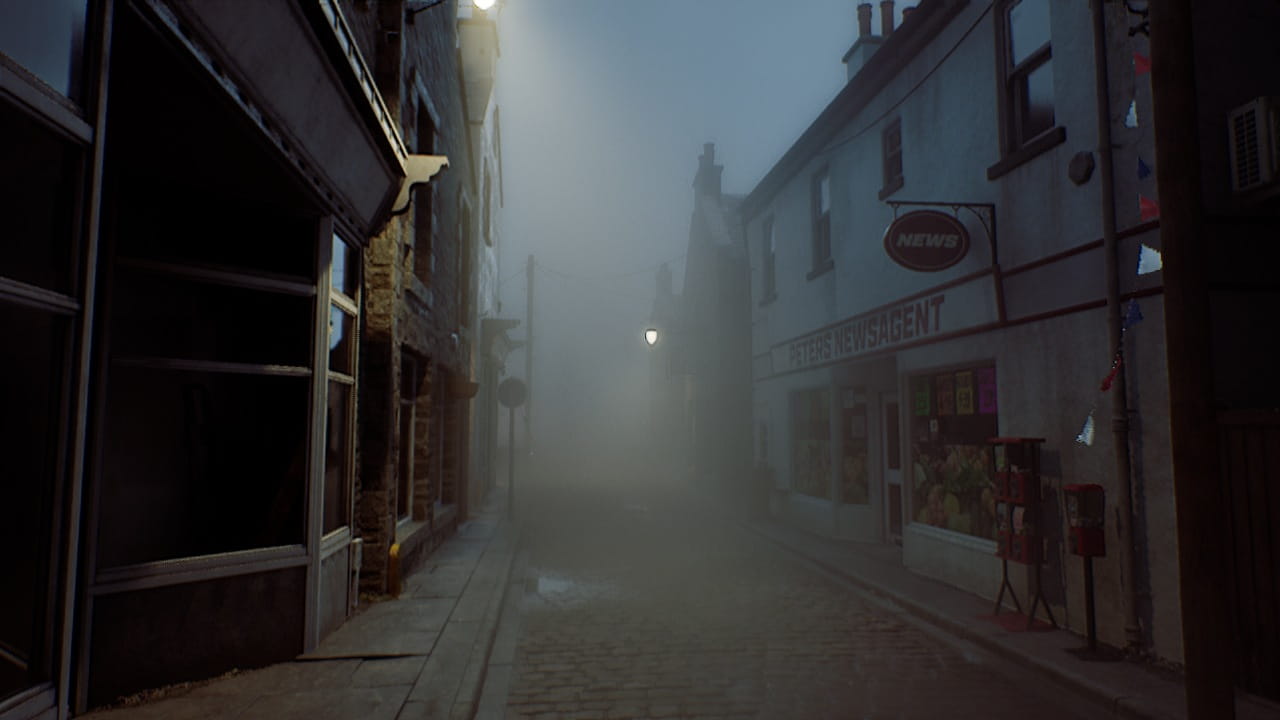
Visually, the game looks generally quite good. Though the level of detail varies significantly from one location to another.
For instance, the town at the beginning is crafted excellently and looks impressive. However, with each subsequent episode, the locations become less and less impressive. And towards the last few chapters, the level design hits rock bottom, becoming downright shoddy. It seems like the final episodes were put together in a great rush.
It is also disappointing that the environmental design contains almost no Silent Hill-esque symbolism. The rooms are constructed solely to appear realistic, rather than to offer the player anything intriguing or symbolic.
But in terms of pure realism, rooms mostly look fine and effectively capture the sensation of wandering through actual abandoned homes and shops. Though one might suspect that some rooms were generated using AI. For instance, the posters on the walls were almost certainly created with AI — they exhibit the "hand glitches" often seen in AI-generated images.
The Red World
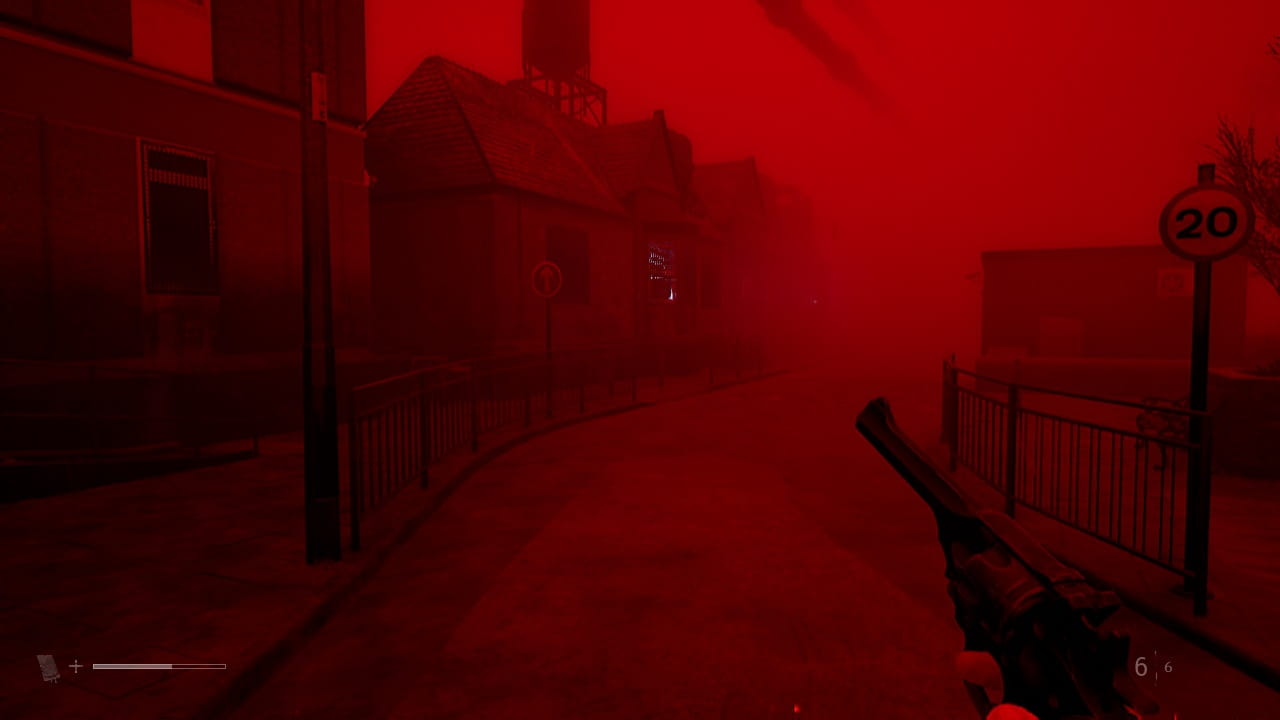
The approach to the "alternate world" in Townfall differs significantly from previous Silent Hill titles. Rather than putting in the effort to completely redesign the locations to create a "nightmare version" of each area, the developers simply applied a bright red visual filter to the game during some scenes.
The result is a mixed bag. On one hand, it feels lazy—a clear attempt to cut costs. On the other hand, the filter idea actually works, lending a certain novelty to this version of the alternate world. Plus, the crimson sky looks genuinely ominous.
Ultimately, the "red world" concept isn't all that bad. That said, the game gives it very little focus - players spend only about 10% of their total playtime there.
Monster Designs
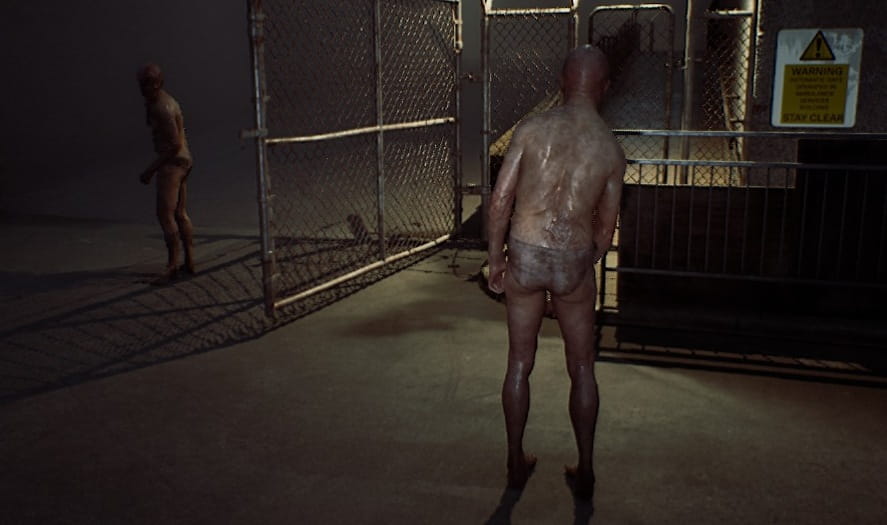
Silent Hill Townfall features very little variety in its monster roster, and the designs themselves are frankly terrible:
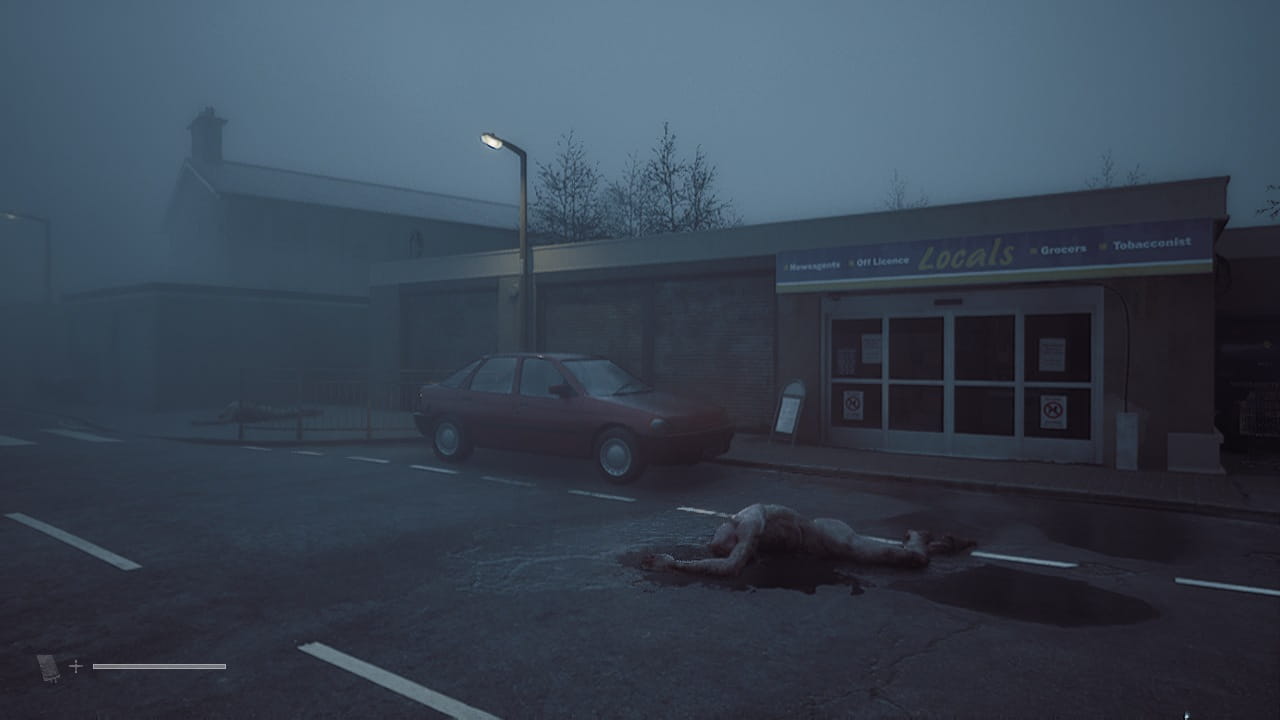
1) Most of the monsters in the game look like bald, half-naked men wearing dirty underwear. People in our chatroom were laughing at these "monsters-in-panties" from the start, when the first trailers were released. I have no idea why the developers thought that such a ridiculous design would impress the SH fans.
2) There’s a monster with bound hands that looks like a Lying Figure from the Silent Hill 2 Remake, but with a piece of metal jammed into its head. While that’s certainly an improvement over the "baldies-in-panties", the creature’s AI is so dim-witted that it’s really hard to take it seriously during the game.
3) Another monster is essentially a clone of the "lying zombies" from the early Resident Evil games. It just lies on the ground and suddenly grabs your leg if you get too close. An uninteresting enemy tossed into the game solely for cheap jump scares.
4) Rotting women in short skirts, armed with sticks, are a clear attempt to reimagine the nurses from Silent Hill 2. But they are implemented poorly because they appear only during Richard's ultra-cringe-inducing FPS-shooter episode. You won’t see them anywhere else.
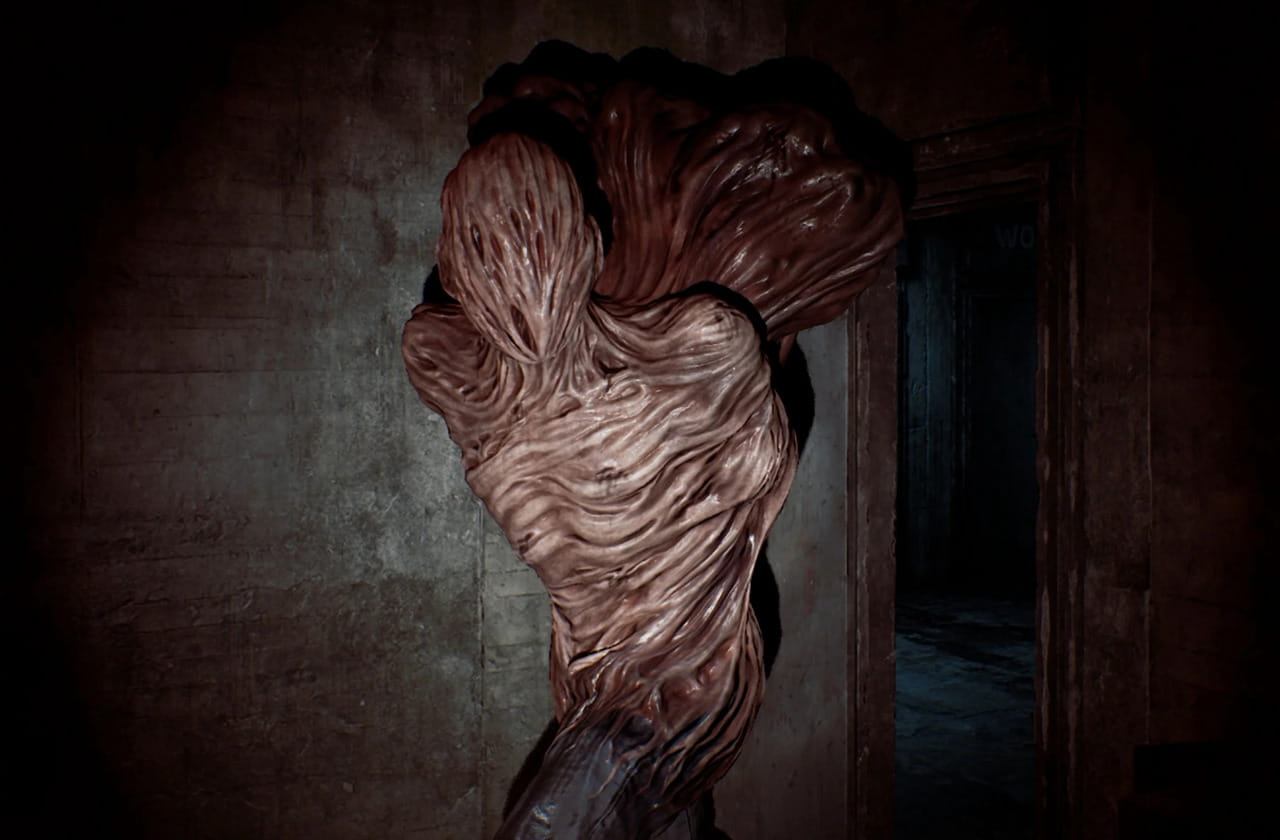
5) And finally, the star of the show is a large, rotting zombie with a pair of human testicles on its back. It serves as an overpowered, unkillable pursuer. The design is ridiculous and pathetic, though playing hide-and-seek with this "testicle-zombie" can actually be somewhat fun.
All in all, Townfall earns a dubious achievement: it features the worst monster designs in the entire SH series. Half of the creatures are rehashes from SH2, while the other half are ridiculous crap like "monsters-in-panties" or "testicle-zombie". Such a shoddy level of design is completely unacceptable.
Atmosphere
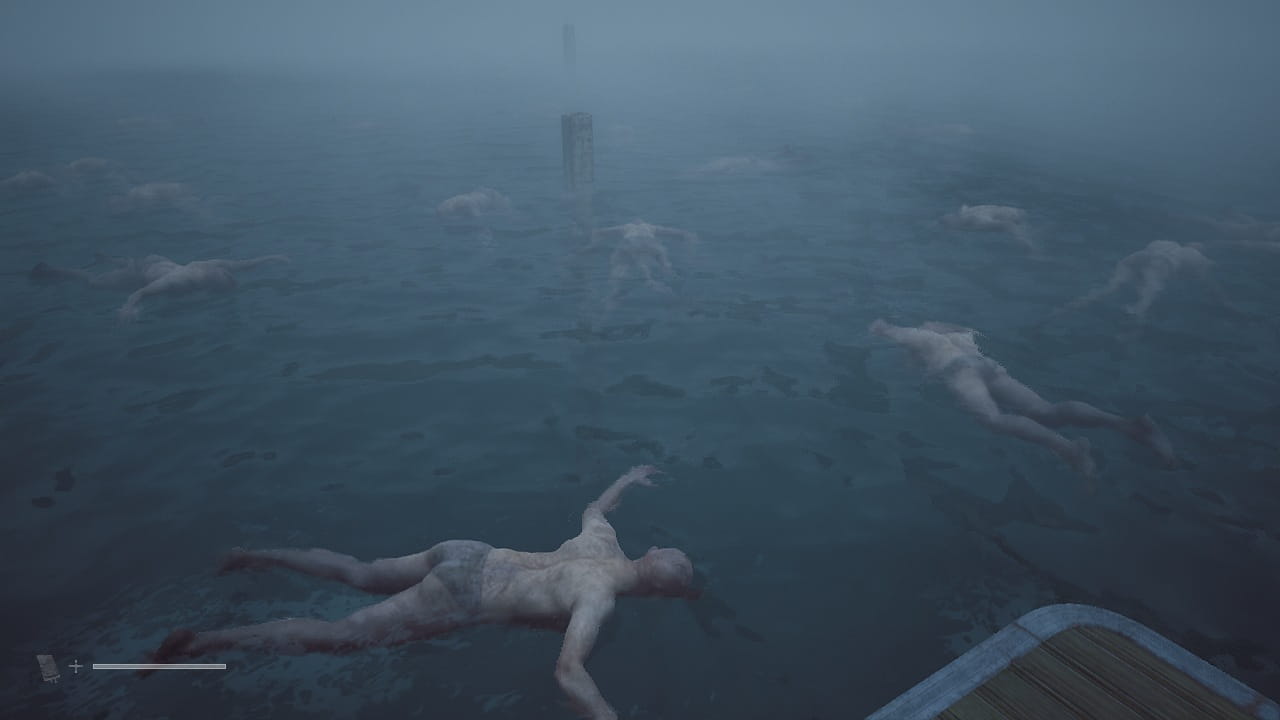
I always thought that a first-person Silent Hill game with stealth mechanics would probably be REALLY SCARY. But somehow, Townfall manages to ruin this concept. Actually, this game barely manages to be frightening at all.
Because of the comical enemy designs, their stupid behavior, the abundance of small glitches, the drawn-out segments, and a lackluster protagonist, the game’s atmosphere and horror elements take a massive hit. When Simon is chased by a mob of half-naked fat dudes in panties - it seems more laughable than scary.
Occasionally, the game manages to build some tension thanks to its hardcore stealth gameplay. However, such moments are rare and only occur on the "Nightmare" difficulty setting (and mostly during Zoe's episodes).
But on the positive side, Townfall does a decent job of capturing the atmosphere of wandering through the streets of an abandoned town. While these sections aren't scary in the slightest, they do possess a certain atmosphere—one that will likely appeal to those who have an interest in urban exploration and "ghost towns".
Music and Sound
Silent Hill Townfall was developed without any involvement of series composer Akira Yamaoka. Instead, a Canadian musician known as PilotPriest took on the task. Consequently, there were concerns that the game’s soundtrack might fall short. These concerns were partially confirmed, and partially not.
There is, in fact, very little music in the game. You could count the tracks that even remotely resemble music on your fingers—and there isn’t a single song. You’re unlikely to find yourself wanting to listen to the soundtrack on its own.
That said, the ambient audio is genuinely well-crafted. It’s neither distracting nor irritating, and it fits each scene quite effectively. All in all, despite a certain minimalist, low-budget quality, the sound design in Townfall is actually quite solid.
The composer also deserves special praise for the final track that plays during the end credits. It perfectly complements the game’s conclusion and captures a distinctly depressive vibe. It’s the kind of music that invites a bit of melancholy—a perfect backdrop for pondering sad questions, like, "Why did I buy this game?"
Endings
Townfall features three main endings: "Abandoned", "Forever", and "Justice". However, they are almost no different from one another, and the ultimate outcome of the story remains essentially the same.
The criteria for unlocking these endings are quite strange and poorly thought out. If you aren't aware of them beforehand, your first playthrough will certainly result in the "Abandoned" ending, leaving you unable to see the other two. Fortunately, you can just watch them on YouTube without replaying the game again.
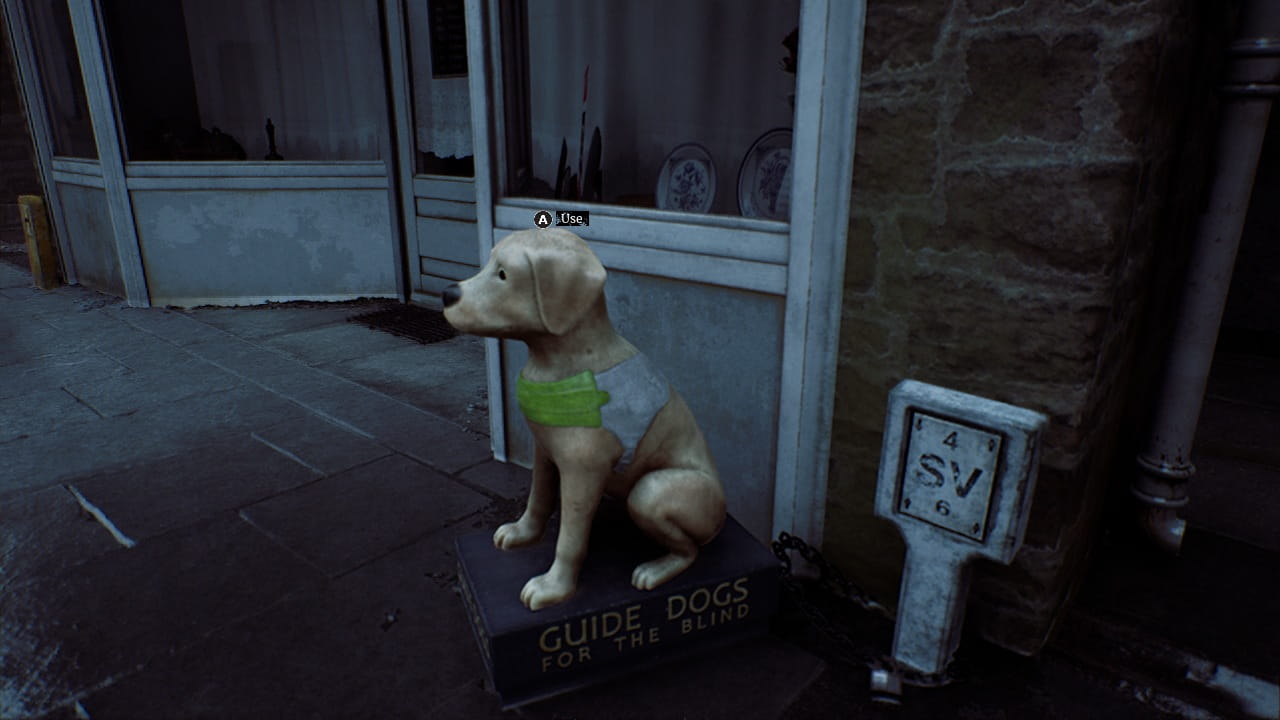
Townfall also includes two bonus joke endings—the "UFO Ending" and the "DOG Ending" (which become available on a second playthrough). But they are done so sloppily and cheaply as if the developers were afraid to spend even a few extra dollars on them.
Moreover, these joke endings aren't even funny; they feel like yet another forced attempt to emulate Silent Hill 2. The "UFO" and "Dog" tropes have become so worn out that it’s high time for something new, rather than rehashing the same 25-year-old jokes over and over again.
Length, Replayability, and Bonuses
Townfall is a fairly long game. A playthrough on "Nightmare" difficulty, including collecting all the notes, took me 28 hours. It can be completed faster on lower difficulty settings (roughly in 20 hours), but I wouldn't recommend playing on those.
In terms of replayability, the game fares poorly. If you’ve played through it carefully once and found most of the notes, there’s really no reason to go through it all again.
A second playthrough offers absolutely no additional content relevant to the plot. Furthermore, the "UFO" and "DOG" bonus endings are so poorly executed that they are simply not worth the time.
The game also features two types of unlockable bonus weapons—an axe and a ray gun—but neither is particularly interesting. The axe is essentially just a more powerful version of the standard wooden stick. And the ray gun functions like a regular handgun, but kills enemies in a single shot. So, even with the bonus weapons, the developers took a lazy approach again.
Pros and Cons of the Game
Pros:
+ Decent stealth gameplay.
+ An interesting idea with a portable TV.
+ You can play as three different characters.
+ Some puzzles are designed quite creatively.
+ Good graphics.
+ The town looks beautiful (especially at the beginning).
+ A sense of wandering through a ghost town.
+ A nice reimagining of Lisa’s story from SH1.
+ Well-directed cutscenes and dialogue.
+ A substantial length.
+ A minimalist yet pleasant ambient soundtrack.
Cons:
- A weak and poorly thought-out scenario.
- Very few characters.
- An underwhelming protagonist.
- An out-of-place political agenda.
- Uninteresting notes.
- A lack of signature Silent Hill symbolism.
- Richard's FPS-shooter episode is really terrible.
- The game gets progressively worse with each chapter.
- Certain episodes are excessively drawn-out.
- The puzzles in the final chapter are quite tedious.
- Only 5 types of weapons in the entire game.
- Just 4 types of monsters and a single boss.
- Lazy and ridiculous monster designs.
- Almost no comments for items in the rooms.
- Very little music, no songs, no Yamaoka.
- The story is strictly linear, with no moral choices.
- The endings are barely different from one another.
- Zero replayability.
The Verdict
Overall, Silent Hill: Townfall is a mixed bag.
In many respects, it is poorly made and feels half-baked. Actually, the game has more drawbacks than merits. It’s also clear that the developers have no real grasp of the Silent Hill series, and they don't fully understand what they are doing.
Nevertheless, the game can still offer some enjoyment for those players who love stealth-horror and abandoned ghost towns. Or for those who want to see a new reimagining of Lisa the nurse from SH1.
Fortunately, I fall right into these categories. So, despite all the flaws of Townfall, I don’t regret the time I spent on it. As for you — try this Scottish oddity at your own risk. But I definitely don't recommend paying 50 euros for it, you can buy much better games for this money.
In many respects, it is poorly made and feels half-baked. Actually, the game has more drawbacks than merits. It’s also clear that the developers have no real grasp of the Silent Hill series, and they don't fully understand what they are doing.
Nevertheless, the game can still offer some enjoyment for those players who love stealth-horror and abandoned ghost towns. Or for those who want to see a new reimagining of Lisa the nurse from SH1.
Fortunately, I fall right into these categories. So, despite all the flaws of Townfall, I don’t regret the time I spent on it. As for you — try this Scottish oddity at your own risk. But I definitely don't recommend paying 50 euros for it, you can buy much better games for this money.

Other interesting articles
about horror games on our website
>> Horror Game Reviews <<
>> Articles in English <<
>> Horror Games Museum <<
Also, you can subscribe to our
YouTube channel and Telegram channel
YouTube channel and Telegram channel
Author of the article: SilentPyramid
Publication date: 17.10.2026
Русская версия статьи
Publication date: 17.10.2026
Русская версия статьи
If you like this article,
share the link with your friends:
share the link with your friends:
